Gecko
Replacement Pads for Gecko Climbers
Fresh cuff pads to keep Gecko spurs comfortable on removals.
Typical $49
 Climber Pads
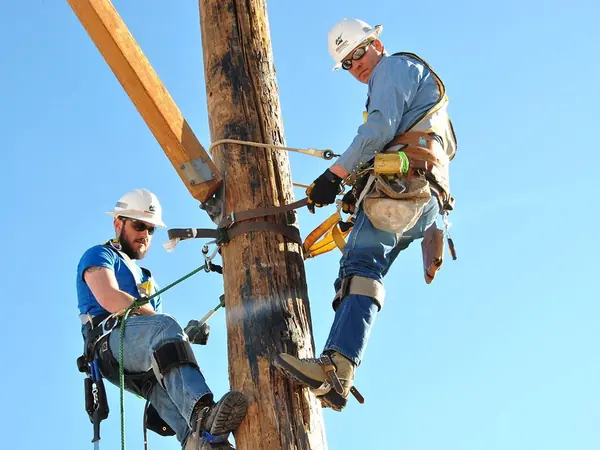
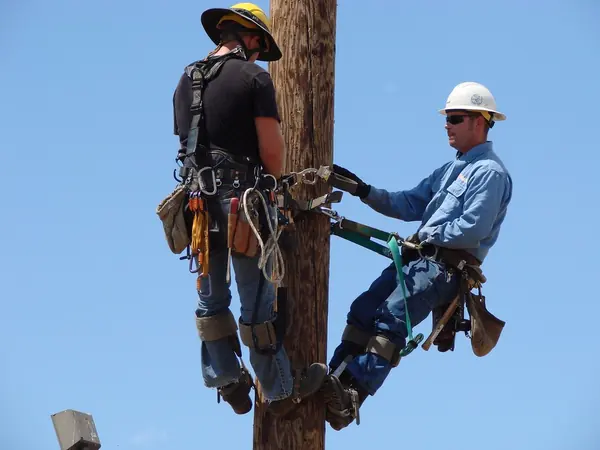
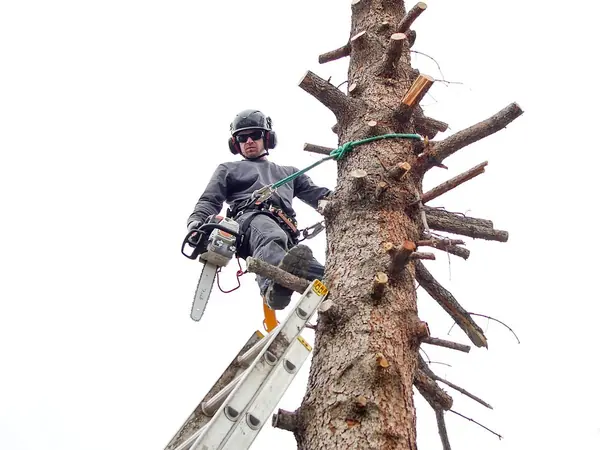
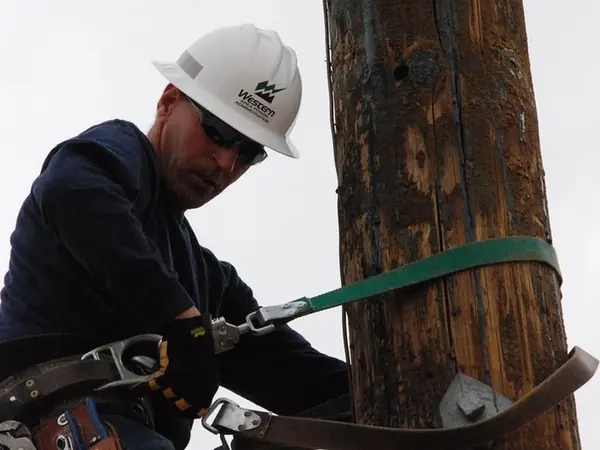
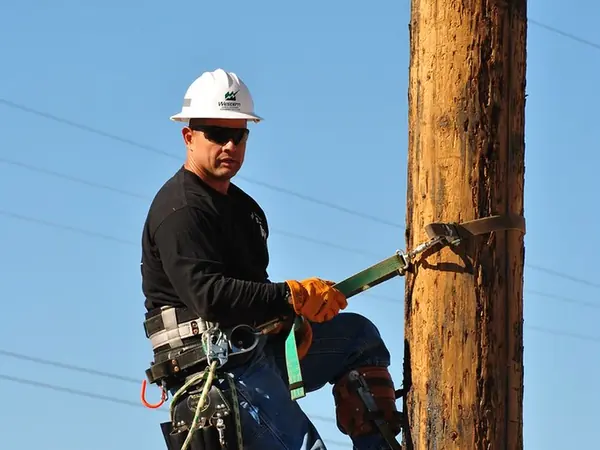
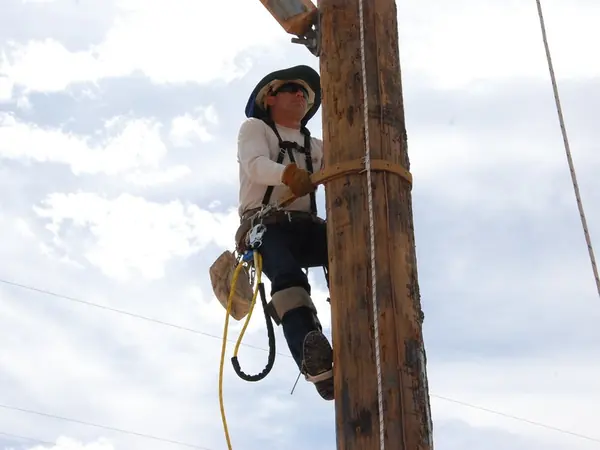
Representative photo. Check the retailer listing for the exact model, color and size.
Photo: Fall Protection Training, 2013 by Western Area Power Admin, CC BY 2.0
Rigid shin cups that spread the load and steady your tree spurs.
Weaver shin cups are rigid pads that wrap the front of the lower leg and spread the load of your tree spurs across the shin. They give a firm, stable feel when you stand on the gaffs.
With simple pads, the load goes through a narrow area of your calf and the shank can roll if your foot placement is off. Shin cups wrap the front of the leg, so the force spreads out and the spur stays in line. Climbers who stand on their spurs to make big cuts often prefer this feel.
Expect a firmer fit than soft wraps. Take time adjusting the straps so the cup sits evenly without pinching.
Pads also wear in ways that are easy to miss. Padding compresses, straps stretch, and hook-and-loop loses its grip as it fills with bark dust. A pad that lets the shank wobble makes every step harder and can let a gaff cut out, so replace pads before they are completely worn out rather than after.
Confirm the pads fit your climber shanks before you order; mounting slots, straps, and hardware vary between spur makers. Fit them to the shank so the top of the pad sits just below the knee, and tighten the straps snugly without cutting off circulation. Compare other climber pads if you want more or less support.
Check straps, buckles, and stitching every time you put the spurs on, and replace worn parts promptly. Spurs are for removals and trees that are coming down, not for pruning, and climbers should be trained before using them.
| Type | Climber pads |
|---|---|
| Style | Shin cups |
| Brand | Weaver |
Specs are from the manufacturer's published figures where available. Confirm against the product listing before you buy.
Once fitted well, many climbers find them more comfortable on long removals because pressure is spread out.
Check mounting compatibility for your spurs. Shin cups are offered on several brands but are not universal.
Pairs well with
Gecko
Fresh cuff pads to keep Gecko spurs comfortable on removals.
Buckingham
Wide, padded replacement uppers that make long days on spurs easier on your calves.
Buckingham
Wide Big Buck uppers with a quick hook-and-loop closure for fast on and off.
Gap Arborist Supply
Rigid, lightweight cast aluminum pads that keep spur shanks in line with your leg.
Climb Right
Low-weight calf pads for Climb Right tree climbers.
Weaver
Classic slotted L-pads: a simple, low-cost replacement for tree spurs.
Weaver
Ventilated wrap pads that support the calf on hot removal days.
Weaver
Climber pads with a steel support for climbers who want a stiffer, steadier spur.
Weaver Shin Cups$95