
Buckingham
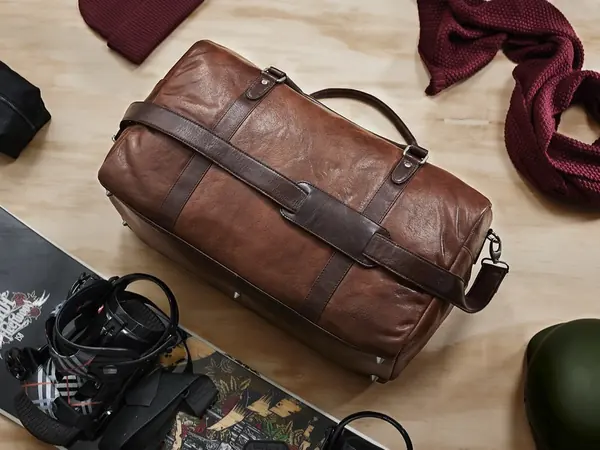
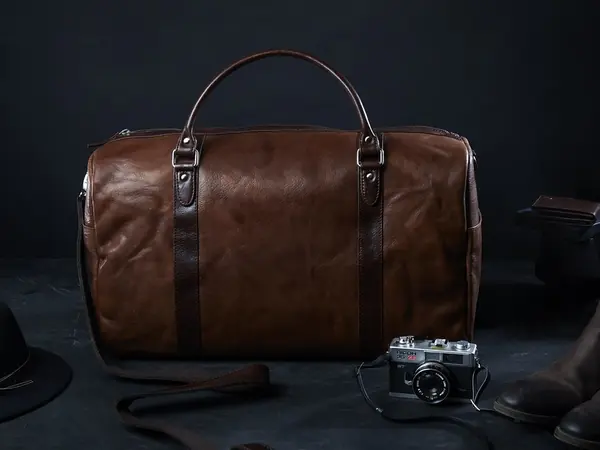
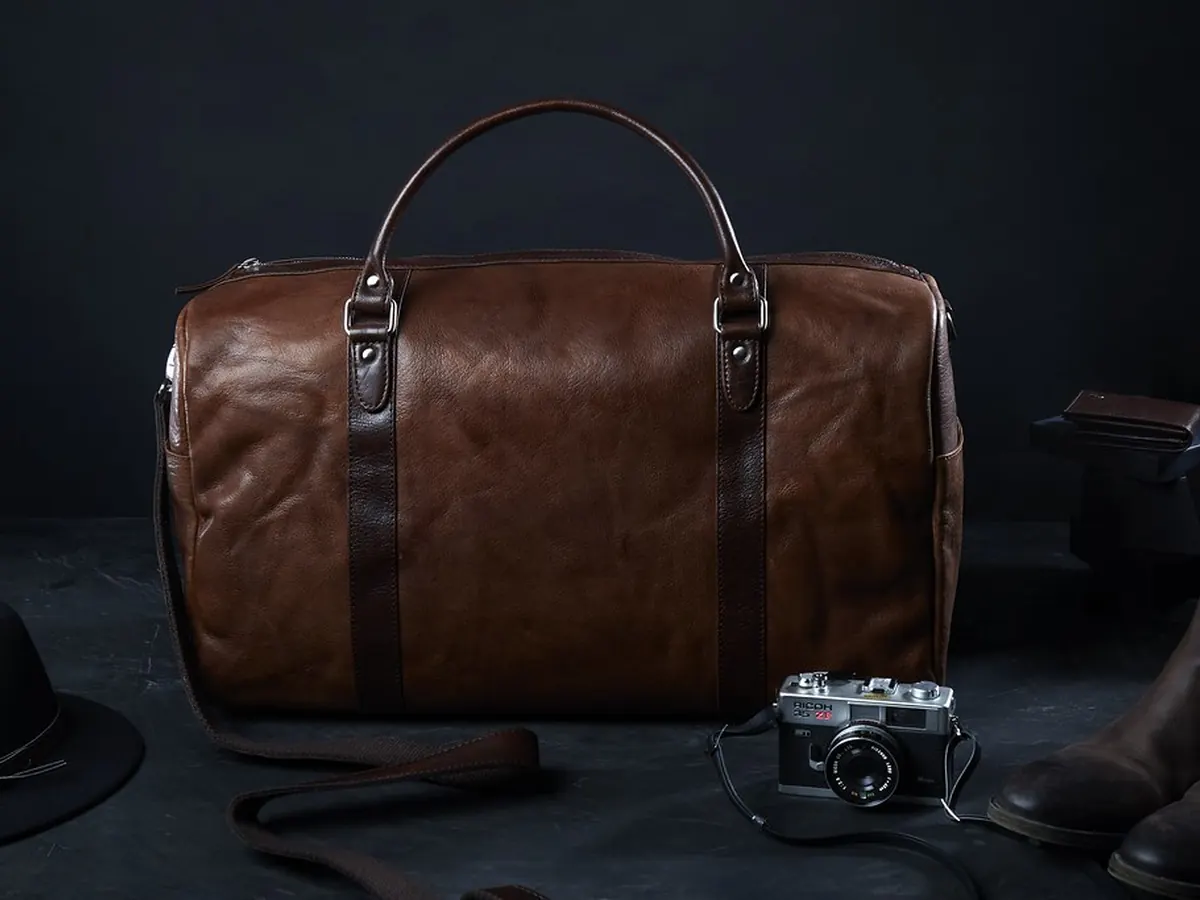
Buckingham Haul Bag
A tough haul bag to keep rope, saddle and hardware together on the job.
Typical $65
Good climbing rope storage keeps your life-support gear clean, dry and out of the truck bed. Choose rope bags for individual lines and larger gear bags for saddles, hardware and the rest of your climbing kit.
Buckingham
A tough haul bag to keep rope, saddle and hardware together on the job.
Edelrid
A rugged climbing haul bag for climbers who carry a full kit to every job.
Petzl
An 85-liter duffel that carries like a backpack, sized for a full climbing kit.
Courant
A stand-up rope bag that keeps your climb line clean and feeds it without tangles.
TreeHog
A 40-liter rope bag from TreeHog for climbers who run a full-length line.
Courant
A 50-liter carry bag that swallows a climbing line, saddle and hardware.
Arbortec
A 50L backpack that hauls a full climbing kit into the backyard on your shoulders.
Petzl
A rugged 65L duffel that carries a full climbing kit and rope to the job.
Weaver
A roomy, tough bag for keeping a climbing kit together and off the truck floor.
Edelrid
A rope bag that keeps your climbing line clean, flaked and ready to run.
Husqvarna
A 30L backpack rope bag that keeps your line clean and your hands free.
Falteimer
A collapsible throw line cube that sets up open and packs flat.
FTC
Throw line storage that keeps your line flaked and ready for clean throws.
Petzl
Folding throw line cube from Petzl that opens for throwing and packs flat.
Weaver
Simple open-top bucket that keeps throw line tangle-free and ready.
CAMP
A 45-liter gear bag from CAMP for hauling climbing kit to the job.
DMM
DMM's 45-liter gear bag for moving climbing and rigging kit.
Notch
A Notch gear bag for keeping climbing kit organized and easy to reach.
Petzl
Petzl's 45-liter haul pack for climbing and rope work gear.
All Gear
A tough rope bag for keeping climbing and rigging lines clean between jobs.
DMM
A 30 liter DMM rope bag for carrying and deploying climbing line.
DMM
A 45 liter DMM rope bag for carrying and deploying climbing line.
Gap Arborist Supply
A big, tough bag for thick rigging rope on removal jobs.
Husqvarna
A rope storage bag from Husqvarna for keeping line clean and tangle-free between jobs.
Courant
A large Courant gear bag for hauling a full climbing kit to and from the job.
Gap Arborist Supply
A bag that keeps your climbing saddle clean, dry, and away from fuel in the truck.
Teufelberger
Durable Teufelberger bags for hauling rope and climbing gear to the job.
ArborTec
65 liter dry bag for ropes and climbing kit in wet weather.
Weaver
A carry-on-your-back gear bag for climbers who walk their kit to the tree.
Weaver
A roomy, tough gear bag for hauling climbing and rigging kit to the job.
Courant
A 36-liter Courant rope bag that keeps your line clean and ready to throw down.
Petzl
A 30-liter Petzl rope bucket that stays open for easy stuffing and clean deployment.
Reecoil
A rope bag for carrying and deploying climbing or rigging line clean.
Teufelberger
A Teufelberger bag for carrying a climbing rope and the kit that goes with it.
Weaver
A compact Weaver rope bag for shorter lines, lanyards, and access ropes.
DMM
A 6-liter DMM bag that clips to your saddle to carry small kit in the tree.
Weaver
A saddle ditty bag with a dedicated first aid pouch for climbers.
Edelrid
A collapsible Edelrid bag that springs open for tangle-free throw line.
Weaver
A medium Weaver bag that keeps throw line clean and ready to throw.
Weaver
Nesting Weaver throw line bags that stack together to save room in the kit.
Weaver
A Weaver throw line cube that stands open for fast, tangle-free line setting.
Arbortec
A 55 liter DryKit bag that keeps rope and climbing kit clean and dry.
Nothing matches those filters. Try another brand or raise the price limit.
Buying guide
Rope and textiles fail from what happens between climbs as much as from climbing. Sunlight, bar oil, fuel, battery acid and grit all shorten their life. A rope left loose in a truck bed picks up sawdust and grit that work into the core and wear it from the inside. Proper climbing equipment storage is one of the cheapest ways to make gear last longer.
Bags also speed up the job. When each rope lives in its own bag and the saddle and hardware ride in a dedicated gear bag, setup at the tree is quick and you are less likely to leave something behind.
Storage is also part of an inspection routine. If every rope has its own bag and every bag has a tag with the rope's length and date in service, it is easy to see what is due for a closer look.
A rope bag is sized for one or two climbing lines and usually has a wide mouth and a ground tarp or base so you can feed rope straight out of it. A gear bag or haul bag is larger and tougher, built to carry saddles, helmets, connectors and devices. Some climbers use a tarp-style bag that opens flat to keep rope off the ground at the base of the tree.
Think about the size of your kit, whether you hike into jobs, and whether you want backpack straps or a simple duffel. Bright colors are easier to spot in the brush pile.
For crews, consistent storage across the truck pays off. Keep the same bag style for each climber's rope and the same bag for rigging lines, labeled clearly, so anyone on the crew can find the right line in a hurry.
A simple climbing gear organizer system helps: one bag per rope, labeled by length, and a separate bag for hardware. Keep a small pouch for spares like hitch cord and a backup carabiner. Store everything dry and out of direct sun, and never in the same compartment as fuel or bar oil.
Many climbers also use a rope tarp at the base of the tree. It keeps rope and gear off dirt, sap and rainwater, makes it easier to see what is laid out, and folds up quickly at the end of the job.
Packing up is a good time for a quick look at your gear. Flake rope into the bag and run it through your hands to feel for flat spots or damage. Note anything suspect and remove it from service until it can be inspected properly.
If you find contamination such as fuel or oil on a life-support textile, retire it. These chemicals can weaken fibers in ways you cannot see.
Clean, dry, out of direct sunlight and away from fuel, oil and chemicals. A rope bag keeps it protected and ready to deploy.
A rope bag is sized to hold and deploy a climbing line. A gear bag or haul bag is larger and carries saddles, helmets and hardware.
Most can be rinsed or hand washed. Follow the maker's care instructions and let the bag dry fully before storing rope in it.