Buckingham
Buckingham Haul Bag
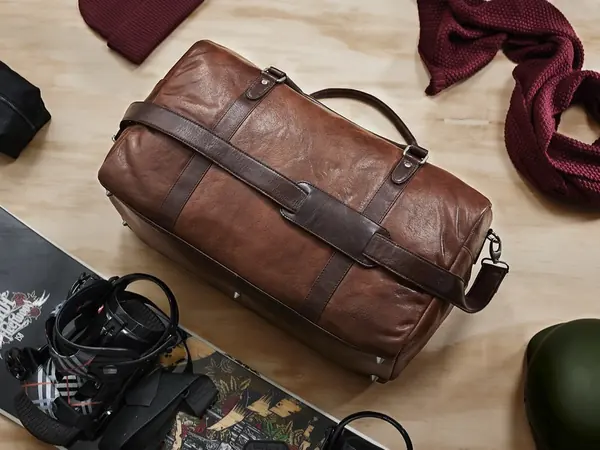
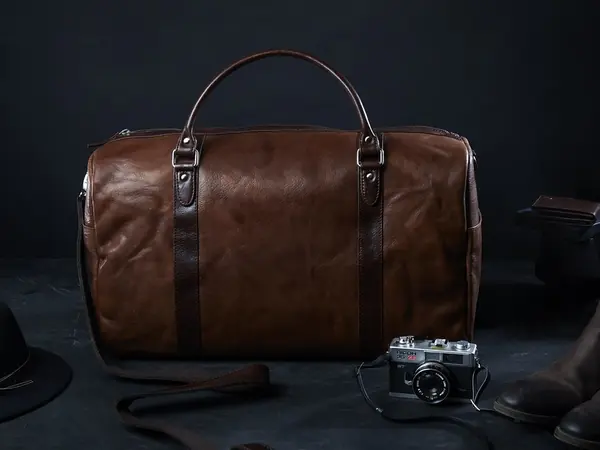
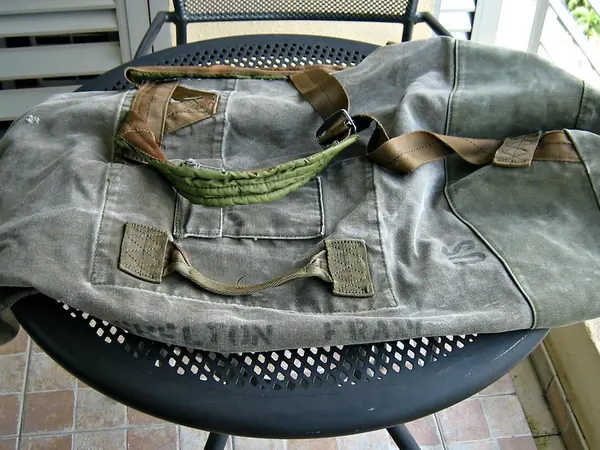
A tough haul bag to keep rope, saddle and hardware together on the job.
Typical $65
 Gear Storage
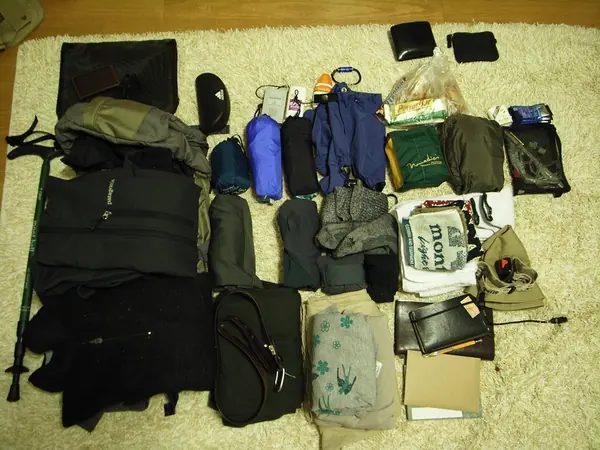
Representative photo. Check the retailer listing for the exact model, color and size.
Photo: Climbing Gear for Mt. Fuji by KE-TA, CC BY 2.0
A bag that keeps your climbing saddle clean, dry, and away from fuel in the truck.
A saddle storage bag gives your climbing saddle its own space in the truck, away from bar oil, fuel, saws, and grit. Keeping the saddle clean and protected helps the webbing and hardware last longer and makes inspection easier.
Your saddle is the core of your life-support system, and the back of a work truck is a rough place for it. Fuel and bar oil weaken textiles, sunlight degrades webbing, and loose saws and files can nick straps. A saddle storage bag keeps it separate from all of that.
It also keeps your lanyard, carabiners, and hitch cord in one place so you can gear up quickly at the base of the tree. Browse other gear storage options for ropes and hardware.
If your saddle has a bridge, side D-rings, and gear loops, look for a bag deep enough that you do not have to fold the saddle tightly. Sharp creases and pressure from hardware can wear webbing over time, so a roomy bag is kinder to the saddle.
Let a wet saddle dry fully before bagging it, and do not pack sharp tools in with it. Clean off sap and grit regularly so it does not grind into the webbing.
Good storage helps your gear last, but it is no substitute for inspection. Life-support gear must meet the applicable standard and the manufacturer's instructions, be inspected before every climb, and be used only by trained climbers working to ANSI Z133.
| Type | Saddle storage bag |
|---|---|
| Use | Storing and carrying a climbing saddle |
| Fit | Check bag dimensions against your saddle |
Specs are from the manufacturer's published figures where available. Confirm against the product listing before you buy.
Dry it first. Storing wet gear in a closed bag can lead to mildew and faster wear.
Check the bag's dimensions against your saddle, especially if it has a large bridge or extra gear loops.
Pairs well with
Buckingham
A tough haul bag to keep rope, saddle and hardware together on the job.
Edelrid
A rugged climbing haul bag for climbers who carry a full kit to every job.
Petzl
An 85-liter duffel that carries like a backpack, sized for a full climbing kit.
Courant
A stand-up rope bag that keeps your climb line clean and feeds it without tangles.
TreeHog
A 40-liter rope bag from TreeHog for climbers who run a full-length line.
Courant
A 50-liter carry bag that swallows a climbing line, saddle and hardware.
Arbortec
A 50L backpack that hauls a full climbing kit into the backyard on your shoulders.
Petzl
A rugged 65L duffel that carries a full climbing kit and rope to the job.
Saddle Storage Bag$35