Courant
Courant Cross Rope Bag (23 / 36 L)
A stand-up rope bag that keeps your climb line clean and feeds it without tangles.
Typical $95
 Rope Bags
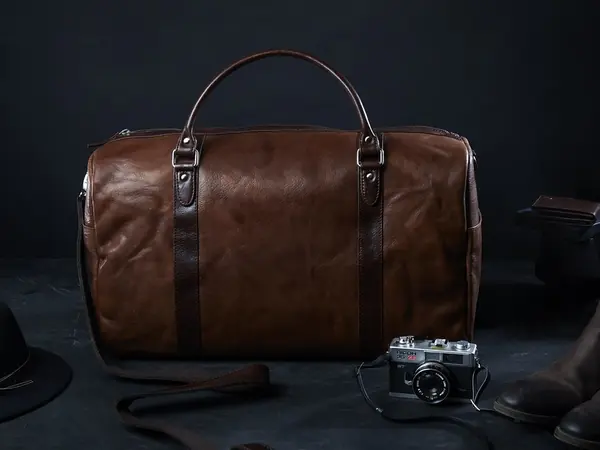
Representative photo. Check the retailer listing for the exact model, color and size.
Photo: REL-NL-WK7-2-duffel-bag-10454 by Trendhim, CC BY 2.0
A rope storage bag from Husqvarna for keeping line clean and tangle-free between jobs.
The Husqvarna rope bag is a storage bag for climbing line or rigging rope that keeps it out of the dirt and flaked so it deploys without knots. It is a simple way to make rope last longer and make set-up faster on every job.
Grit is what wears rope out. Sawdust, sand and mud work into the braid and cut fibers from the inside every time the rope runs through a device or over a branch. A rope bag keeps line off the ground at the base of the tree and keeps it out of the truck bed between jobs.
A bag also speeds up set-up. Flake the rope in from the end at the close of the day and it pays back out cleanly the next morning, instead of coming out of a pile as a knot. Many climbers keep one bag per rope so the climbing line and rigging line never mix.
If you run more than one rope, label the bags or pick different colors so the climbing line never ends up in the rigging pile. Mixed-up rope is a real problem on busy jobs, since a climbing line that has been used to lower wood should be retired from life support. Keeping each rope in its own bag makes that separation simple.
Check that the bag is big enough for the rope you plan to store; a long length of thick rigging line needs much more room than a climbing line. Compare sizes in rope bags if you need a larger option.
Empty the bag now and then and shake out debris. Store rope dry and out of sunlight, and inspect the line itself before every climb rather than trusting that a bagged rope is a sound rope.
| Brand | Husqvarna |
|---|---|
| Type | Rope storage bag |
| Use | Climbing line or rigging rope storage |
Specs are from the manufacturer's published figures where available. Confirm against the product listing before you buy.
Let rope dry out before long-term storage. Storing it wet can lead to mildew and makes inspection harder.
It depends on the rope's diameter and length. Check the bag's capacity against your rope before you buy.
Pairs well with
Courant
A stand-up rope bag that keeps your climb line clean and feeds it without tangles.
TreeHog
A 40-liter rope bag from TreeHog for climbers who run a full-length line.
Courant
A 50-liter carry bag that swallows a climbing line, saddle and hardware.
Edelrid
A rope bag that keeps your climbing line clean, flaked and ready to run.
Husqvarna
A 30L backpack rope bag that keeps your line clean and your hands free.
All Gear
A tough rope bag for keeping climbing and rigging lines clean between jobs.
DMM
A 30 liter DMM rope bag for carrying and deploying climbing line.
Husqvarna Rope Storage Bag$45