Courant
Courant Cross Rope Bag (23 / 36 L)
A stand-up rope bag that keeps your climb line clean and feeds it without tangles.
Typical $95
 Rope Bags
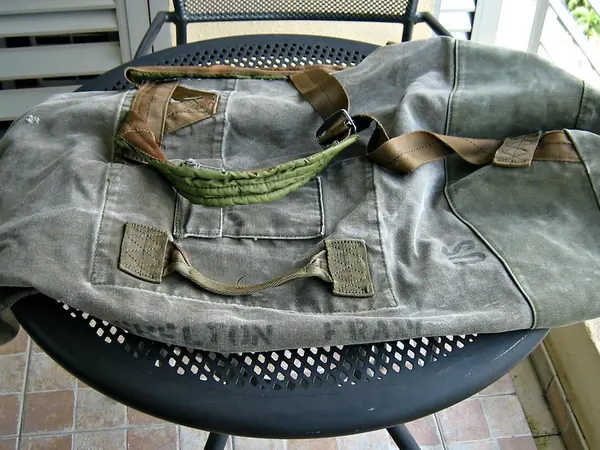
Representative photo. Check the retailer listing for the exact model, color and size.
Photo: army duffel bag by Prince Roy, CC BY 2.0
A tough rope bag for keeping climbing and rigging lines clean between jobs.
The All Gear heavy duty rope bag gives a climbing or rigging line a clean place to live between jobs, away from chips, fuel, and sun. Flake the rope in, close it up, and it pays out cleanly at the next tree.
Rope wears out from more than climbing. Grit works into the braid, chainsaw bar oil and fuel attack fibers, and UV fades and weakens the cover. A heavy duty rope bag keeps the line off the truck bed and out of the chip pile, so it lasts longer and is easier to inspect.
Flaking the rope straight into the bag, rather than coiling it, means it feeds back out without kinks. Leave the end with your termination on top so you can grab it and go at the next tree.
A sturdy bag also makes the truck safer and tidier. Rope that lives in a bag is not underfoot on the deck, is not wrapped around saw bars, and is not sitting in a puddle of bar oil. On a busy day, being able to toss one bag over a shoulder and walk to the next tree saves real time.
Choose a bag sized for your longest line with room to spare; a stuffed bag is slow to pack and hard to close. Compare capacities among other rope bags if you carry several ropes.
Empty the bag now and then to shake out sawdust, and let it dry if it gets wet before storing rope in it. Keep life-support rope separate from fuel cans and sharp tools, and inspect the rope itself before every climb.
| Brand | All Gear |
|---|---|
| Type | Rope bag |
| Use | Climbing or rigging line storage |
Specs are from the manufacturer's published figures where available. Confirm against the product listing before you buy.
Flake it. Feeding rope in loosely, hand over hand, lets it pay out cleanly later without twists.
It is possible but they tend to tangle. One rope per bag, or a bag with separate compartments, is faster on the job.
Pairs well with
Courant
A stand-up rope bag that keeps your climb line clean and feeds it without tangles.
TreeHog
A 40-liter rope bag from TreeHog for climbers who run a full-length line.
Courant
A 50-liter carry bag that swallows a climbing line, saddle and hardware.
Edelrid
A rope bag that keeps your climbing line clean, flaked and ready to run.
Husqvarna
A 30L backpack rope bag that keeps your line clean and your hands free.
DMM
A 30 liter DMM rope bag for carrying and deploying climbing line.
DMM
A 45 liter DMM rope bag for carrying and deploying climbing line.
All Gear Heavy Duty Rope Bag$59