Bigfoot
Bigfoot Composite Outrigger Pads
Composite outrigger pads that spread the load under bucket trucks and cranes.
Typical $199
 Bucket Truck Accessories
Representative photo. Check the retailer listing for the exact model, color and size.
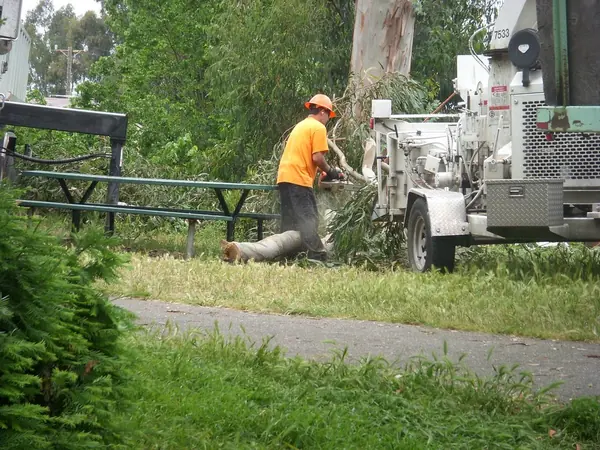
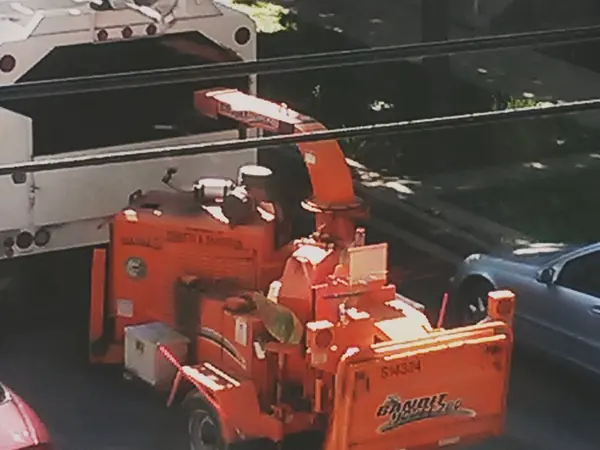
Photo: Bandit 200xp wood chipper by Dorsey Photography, CC BY 2.0
Laminated Baltic birch pads to spread outrigger loads on soft ground.
These premium Baltic birch outrigger pads spread the load from a bucket truck or lift outrigger over a larger footprint so the rig stays level and stable on lawns and soft ground. Baltic birch plywood is dense and strong, with many thin plies.
A bucket truck outrigger puts a lot of weight on a small foot. On turf, wet ground, or soft asphalt, that foot can sink, and a sinking outrigger can tip the truck. Pads spread the load over a larger area and protect the customer's lawn and driveway.
Baltic birch plywood has many thin, even plies with few voids, which makes it stronger and longer lasting than common plywood.
Pads also help on asphalt on hot days, when outrigger feet can sink in or leave marks, and on pavers or concrete that could crack under a point load.
Wood pads are also easy to cut to fit, quick to stack on the truck, and simple to repair or replace when they get chewed up.
Size the pad to your outrigger foot and the ground you work on, and follow your truck's manual for pad requirements. More gear is in bucket truck accessories.
Set pads on level ground, center the foot, and check for sinking during the job. Store pads dry and replace any that are cracked, split, or delaminating.
Do not set pads on steep slopes, frozen ground that may thaw, or over voids like buried tanks and culverts. Keep a rope handle or hand hold on each pad to make it easy to pick up and place.
| Material | Baltic birch plywood |
|---|---|
| Type | Outrigger pad |
| Use | Bucket trucks and aerial lifts |
Specs are from the manufacturer's published figures where available. Confirm against the product listing before you buy.
Good plywood pads work well, but they absorb water. Store them dry and inspect them often.
Follow your truck maker's guidance; larger pads spread the load more on soft ground.
Pairs well with
Bigfoot
Composite outrigger pads that spread the load under bucket trucks and cranes.
Weaver
A cover for two-man aerial buckets that keeps weather and debris out.
Gap Arborist Supply
A heavy-duty wheel chock for tree trucks, chippers and trailers.
Gap Arborist Supply
A fiberglass bucket protector with a built-in step for aerial lift work.
Gap Arborist Supply
Hook-on step for getting in and out of a bucket or truck bed safely.
Weaver
Fitted cover that keeps rain and debris out of a one-man aerial bucket.
Estex
A fitted cover with a stiffening insert for 28 x 34 in one-man aerial lift buckets.
Gap Arborist Supply
Vinyl cover with a foam insert that keeps a one-man bucket dry and clean.
Premium Baltic Birch Outrigger Pads$149