Gap Arborist Supply
Aluminum Double Locking Snap Hook
A lighter double locking snap for lanyards and positioning gear.
Typical $30
 Snap Hooks
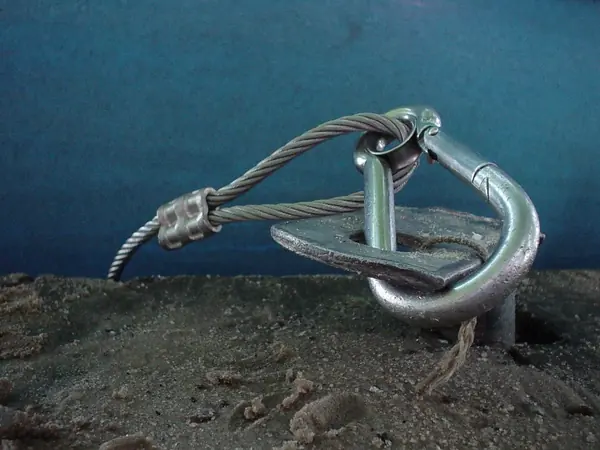
Representative photo. Check the retailer listing for the exact model, color and size.
Photo: carabiner+chains by brenkee, CC0
A tough steel locking snap for spliced lanyards and lines.
A steel locking rope snap is the classic hardware on the end of a spliced lanyard or climbing line. The locking keeper must be pressed before the gate opens, and steel stands up to the wear that wire core and saddle D-rings dish out.
Snaps on lanyards rub against D-rings, wire core and bark all day. Steel takes that abuse far better than aluminum, so a steel locking rope snap is a good choice for gear that sees hard daily use.
The snap is usually spliced or sewn onto the rope by a qualified splicer. Do not tie your own hardware onto life-support rope unless you are trained to do so.
Steel snaps also handle being dragged across bark, dropped in the truck bed and clipped against D-rings thousands of times. They are heavier than aluminum, but on gear that sees daily abuse that weight buys longer service life.
Check that the gate and keeper snap closed on their own, the hinge pin is tight, and there is no rust pitting, cracks or wear. Make sure the snap is compatible with your saddle D-rings. Life-support gear has to meet the applicable standard and the manufacturer's instructions, get inspected before every climb, and be used only by trained climbers.
For a lighter option, see the aluminum double locking snap hook.
Keep the hinge and keeper free of sap and grit. A sticky keeper is the most common problem and it means the snap may not lock fully. Rinse it, dry it and test it before you trust it, and retire any snap that will not close and lock cleanly.
| Material | Steel |
|---|---|
| Gate | Locking keeper |
| Ratings | Check markings on the snap |
Specs are from the manufacturer's published figures where available. Confirm against the product listing before you buy.
Hardware on life-support rope should be spliced or sewn by a qualified person and meet the applicable standard.
Steel lasts longer under wear; aluminum is lighter. Both need daily inspection.
Pairs well with
Gap Arborist Supply
A lighter double locking snap for lanyards and positioning gear.
Petzl
A wide-opening Petzl snap connector for lanyards and large anchors.
Edelrid
Double locking steel snap hook for lanyards and positioning.
ISC
Self-locking snap hook with a swivel eye to stop lanyard twist.
Gap Arborist Supply
A double locking snap for lanyard ends and flipline connections.
Gap Arborist Supply
A snap hook for spreading and connecting gear on the job.
Gap Arborist Supply
Double-locking steel snap with a gate rated to current ANSI requirements.
ISC
A steel triple-locking snap hook for lanyards and arborist climbing systems.
Steel Locking Rope Snap$25