

Gap Arborist Supply
Aluminum Double Locking Snap Hook
A lighter double locking snap for lanyards and positioning gear.
Typical $30
 Snap Hooks
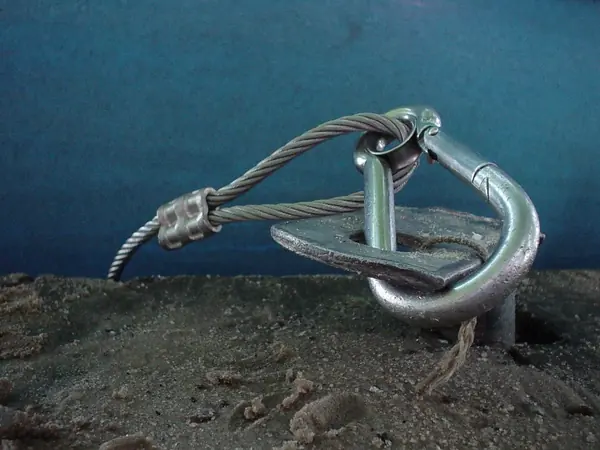
Representative photo. Check the retailer listing for the exact model, color and size.
Photo: carabiner by ani!, CC0
Double-locking steel snap with a gate rated to current ANSI requirements.
This steel snap hook has a double-locking keeper and a gate rated to the strength current ANSI rules require for snap hooks. It is a durable choice for building or replacing a hook on a lanyard or flipline.
Older snap hooks could be rolled open if the gate was pressed hard against a ring or anchor. Gate-rated snaps are built so the keeper holds against a much higher side load, which closes off that failure. Arborists who use snap hooks on lanyards and fliplines should be using gate-rated hardware.
Steel stands up to the abrasion that comes with working around bark and spurs all day.
Many climbers prefer a snap hook on a flipline because it is quick to clip to a saddle D-ring with one hand, and the narrow nose sits neatly in the ring. The steel snap also takes wear from contact with spurs and rough bark better than aluminum hardware does.
A snap hook on a lanyard is life support. It should be attached by a qualified splicer or with a termination the manufacturer approves, and the lanyard should meet ANSI Z133 and the maker's instructions. Do not tie a snap onto a rope with a knot unless that knot is part of an approved system.
Check the keeper springs closed and locks every time, look for cracks, rust or burrs, and retire the hook after a fall or if it is damaged. See other snap hooks for different sizes.
| Material | Steel |
|---|---|
| Gate | Double-locking, ANSI gate-rated |
| Use | Lanyards and fliplines |
Specs are from the manufacturer's published figures where available. Confirm against the product listing before you buy.
It means the gate is built to resist the side load current ANSI standards require, so it is much harder to force open.
Yes, on lanyards and fliplines when it is properly attached and rated. Follow ANSI Z133 and the maker's instructions.
Pairs well with
Gap Arborist Supply
A lighter double locking snap for lanyards and positioning gear.
Petzl
A wide-opening Petzl snap connector for lanyards and large anchors.
Gap Arborist Supply
A tough steel locking snap for spliced lanyards and lines.
Edelrid
Double locking steel snap hook for lanyards and positioning.
ISC
Self-locking snap hook with a swivel eye to stop lanyard twist.
Gap Arborist Supply
A double locking snap for lanyard ends and flipline connections.
Gap Arborist Supply
A snap hook for spreading and connecting gear on the job.
ISC
A steel triple-locking snap hook for lanyards and arborist climbing systems.
ANSI Gate-Rated Steel Snap Hook$15