Husqvarna
Husqvarna Long Handle Hookaroon
Long-handled pick for dragging, flipping and stacking logs and firewood.
Typical $59
 Log Handling
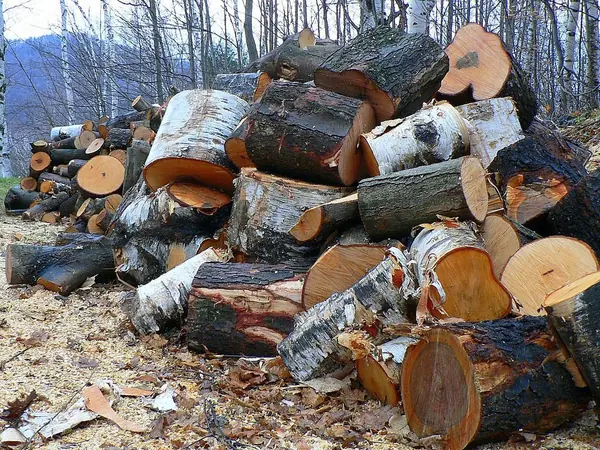
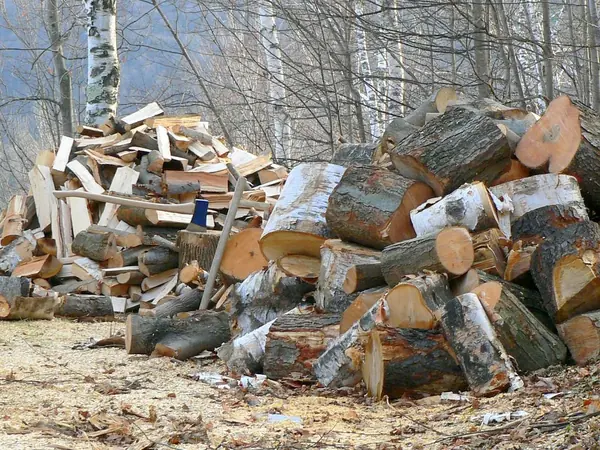
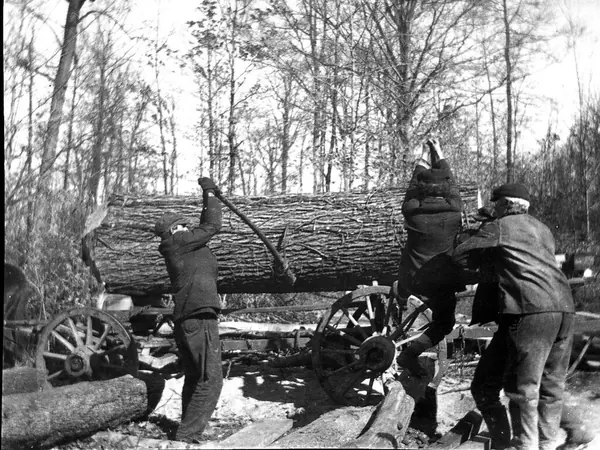
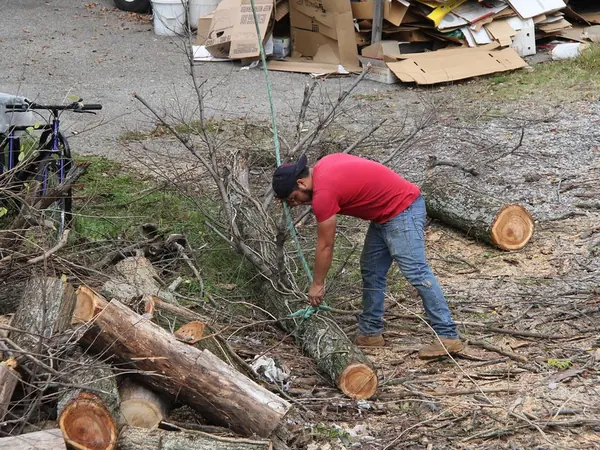
Representative photo. Check the retailer listing for the exact model, color and size.
Photo: peavey handles (hand carved) by Stone Soup Institute, Harpswell, Maine, CC BY 2.0
A light aluminum-handled pickaroon for crews that move wood every day.
The LogRite pickaroon is a short pick on a lightweight aluminum handle, made for hooking, dragging and stacking rounds, splits and small logs. LogRite is known for its log handling tools, and this one is built for crews who move wood day after day.
A LogRite pickaroon is about not touching every piece of wood with your hands. Stick the point in a round, drag it to the pile, and toss it into the truck or onto the splitter table. On a cleanup with a few cords of wood on the ground, that saves your back and keeps your fingers away from sharp edges and rolling rounds.
The aluminum handle keeps it light enough to swing all day, and it will not rot or loosen the way a wood handle can after a season in the truck.
It is a good match for firewood processing, cleanup after a removal, and any job where the crew is loading rounds into a dump trailer by hand. One worker with a pickaroon can keep pace with a saw far longer than one bending for every piece.
Use short, controlled swings and pull toward the pile, not across your legs. A pickaroon is a hooking tool, not a pry bar. When a log is too big to drag, switch to a cant hook or peavey. Check the listing for current lengths, since a longer handle gives more reach and a shorter one is quicker in tight spots.
Touch up the point with a file when it starts glancing off, and check that the head is secure before each job. See the rest of our log handling tools for cant hooks, peaveys and log lifters.
| Type | Pickaroon (hand log tool) |
|---|---|
| Handle | Aluminum |
| Head | Steel point |
| Length | Check listing for available lengths |
Specs are from the manufacturer's published figures where available. Confirm against the product listing before you buy.
Aluminum is light and does not rot, crack or swell in the weather the way wood can, so the tool stays tight and easy to swing.
Check the listing and LogRite's information for replacement parts for your model before you buy.
Pairs well with
Husqvarna
Long-handled pick for dragging, flipping and stacking logs and firewood.
LogRite
Lightweight aluminum cant hook for rolling and positioning logs.
LogRite
Aluminum-handled pickaroon for moving rounds, logs and firewood without bending.
LogRite
Two-person log lifting tool with a center hook and aluminum handle.
LogRite
An add-on stand that turns a LogRite tool into a log lifter for clean bucking.
LogRite
Log arch with wide tires for moving logs out of yards and woods.
LogRite
Hand log tongs for lifting and dragging rounds without straining your back.
Husqvarna
Steel log tongs for grabbing and dragging rounds and short logs.
LogRite Pickaroon$85