Husqvarna
Husqvarna Long Handle Hookaroon
Long-handled pick for dragging, flipping and stacking logs and firewood.
Typical $59
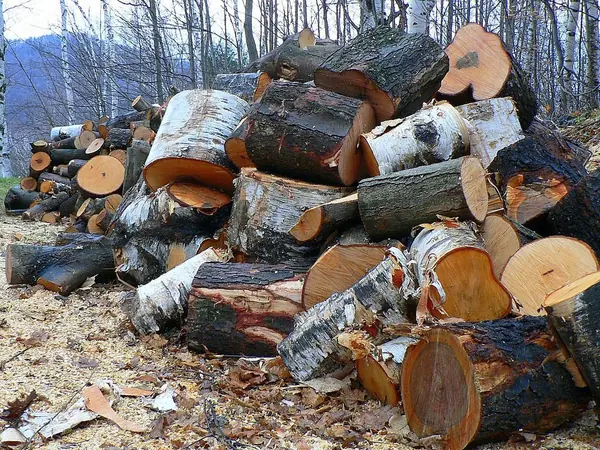 Log Handling
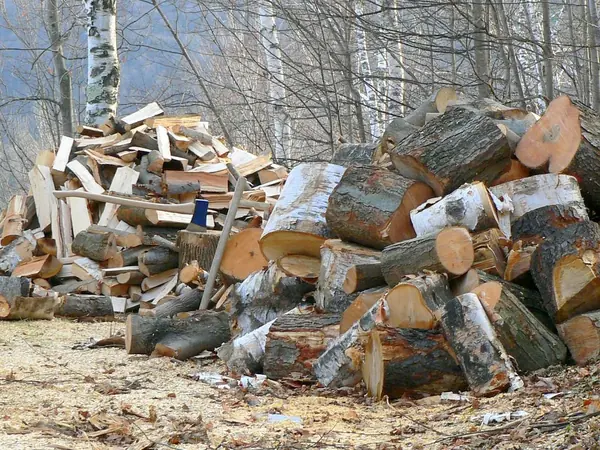
Representative photo. Check the retailer listing for the exact model, color and size.
Photo: firewood by sf-dvs, CC BY 2.0
Lightweight aluminum cant hook for rolling and positioning logs.
The LogRite cant hook uses an aluminum handle and a steel pivoting hook to grab a log and roll it with leverage instead of muscle. LogRite tools are made in the USA, and their cant hooks are a common sight with firewood cutters, sawyers and tree crews.
A log on the ground almost never sits the way you want it. You need to roll it to cut the far side, turn it to get a clean buck, or get it off the dirt so the chain does not hit rocks. A cant hook makes that possible for one person. The hook bites the log, the handle gives you leverage, and a heavy log rolls with a steady pull.
LogRite builds its handles from aluminum instead of wood. That keeps the tool light enough to carry around the job all day and means the handle will not crack, rot or swell from sitting in a wet truck.
A cant hook also saves chains. Every time you finish a cut by pushing the bar through into the dirt, you dull the chain. Rolling the log a quarter turn with a cant hook lets you finish the cut from the top without touching the ground, and a sharp chain lasts all day instead of an hour.
Cant hooks are sized by handle length, and the right one depends on the logs you handle. Shorter handles are lighter and fine for firewood-sized logs. Longer handles give more leverage for big logs and let you work farther from the log. Check the listing for the size and the diameter range it handles, and choose for the bigger logs you see regularly.
Some LogRite cant hooks can be fitted with a timberjack, a small foot that lifts the end of the log off the ground. That keeps the bar out of the dirt when bucking and stops the log from pinching the saw. Check what is included before you order.
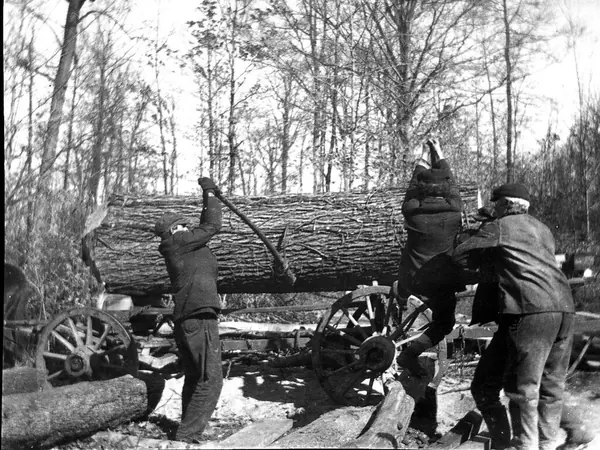
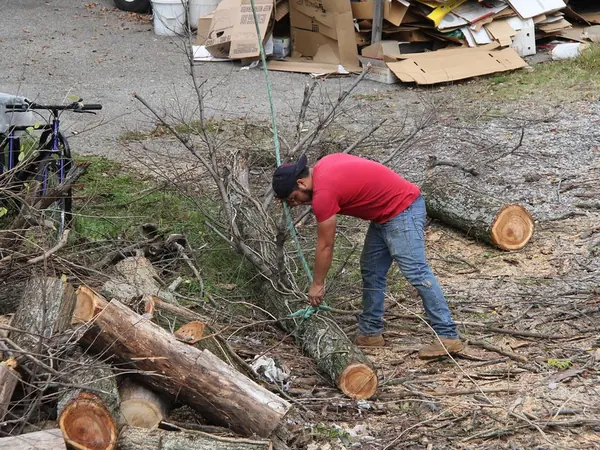
Tree crews use a cant hook to roll trunk sections so they can buck them without cutting into the dirt, to position logs for a loader or trailer, and to break apart a pile of rounds. Firewood producers use them to feed logs onto a buck stand or splitter. Mill owners use them on the deck.
For lighter wood and stacking, pair it with a LogRite hookaroon. For carrying logs between two people, look at the LogRite log carrier.
Always work from the uphill side of a log and make sure the path the log will roll is clear of people and your own feet. Set the hook firmly and pull steadily rather than jerking. If the hook slips, you want to fall away from the log, not toward it. A rolling log can crush a foot or leg in an instant.
Do not stand on logs you are rolling, and never put your hands under a log that is propped up. On steep ground, think through where the log will go before you move it. If a log is too big to move safely by hand, use equipment. Wear boots with good toe protection and keep the hook point sharp so it bites cleanly.
Keep your free hand off the log and away from the hook while rolling. If the log shifts unexpectedly, you want both hands on the handle and your body out of its path.
| Type | Cant hook |
|---|---|
| Handle | Aluminum |
| Hook | Steel, pivoting |
| Sizes | Several handle lengths; check listing |
| Made in | USA |
| Brand | LogRite |
Specs are from the manufacturer's published figures where available. Confirm against the product listing before you buy.
Match the handle length to the logs you move most. Longer handles give more leverage for big logs; shorter handles are lighter for firewood.
LogRite designs its aluminum handles for heavy log work. As with any tool, use it within its intended size range and do not use it as a lever under extreme loads.
Traditional cant hooks use wood. LogRite uses aluminum, which is lighter for its strength and does not rot or crack from moisture.
Pairs well with
Husqvarna
Long-handled pick for dragging, flipping and stacking logs and firewood.
LogRite
Aluminum-handled pickaroon for moving rounds, logs and firewood without bending.
LogRite
Two-person log lifting tool with a center hook and aluminum handle.
LogRite
An add-on stand that turns a LogRite tool into a log lifter for clean bucking.
LogRite
Log arch with wide tires for moving logs out of yards and woods.
LogRite
Hand log tongs for lifting and dragging rounds without straining your back.
Husqvarna
Steel log tongs for grabbing and dragging rounds and short logs.
LogRite
A light, strong aluminum-handled peavey for rolling and positioning logs.
LogRite Aluminum Handled Cant Hook$179