Gap Arborist Supply
6' Foam-Filled Pole
A 6-foot foam-filled fiberglass pole section for pruner and saw setups.
Typical $95
 Poles & Kits
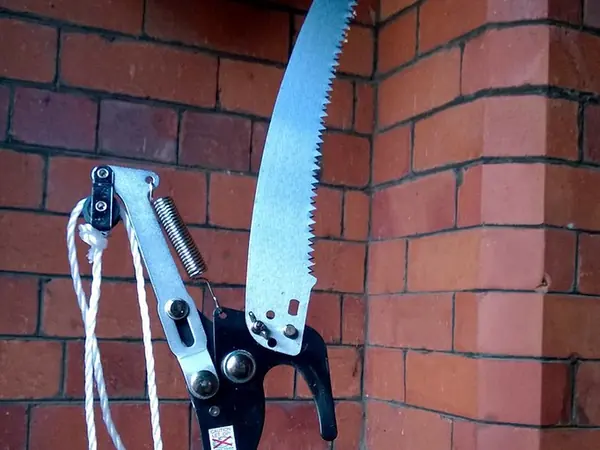
Representative photo. Check the retailer listing for the exact model, color and size.
Photo: Sharpening Chainsaw Blades by NCDOTcommunications, CC BY 2.0
A replacement butt cap that seals and protects the bottom end of a Marvin pole.
The Marvin pole end cap fits the bottom end of a pruning or pole saw pole. It keeps dirt, water and debris out of the tube and takes the wear when the pole is set on the ground between cuts.
The butt of a pole spends its life being set down in dirt, gravel and wet grass. Without a cap, the open end chews up and packs with mud, and moisture can get inside the tube. A missing cap is easy to ignore, but the damage builds up and it shortens pole life.
A good end cap also gives a cleaner contact point when you plant the pole to steady a cut or rest your arms.
End caps go missing more than any other pole part. They get knocked off on tailgates, pulled off in mud or split when a pole is dropped butt first onto concrete. It is worth checking the caps every time you load the poles, the same way you check blades and ropes. A spare cap or two in the parts box means you never have to run an open-ended pole until the next order arrives.
Clean and dry the pole end, then press or fit the new cap until it seats fully. Check it periodically, since caps can work loose or split from impact. Replace a cracked cap rather than taping it.
Inspect the pole itself while you are at it. Splintered fiberglass or deep gouges mean the section should be retired, especially for any work near power lines. Browse our poles and pole kits for poles and kits.
| Type | Pole end cap |
|---|---|
| Fits | Marvin poles (confirm diameter) |
| Position | Butt (bottom) end of the pole |
Specs are from the manufacturer's published figures where available. Confirm against the product listing before you buy.
Possibly, if the outside diameter matches, but it is made for Marvin poles. Measure before ordering.
It is not structural, but it protects the pole and keeps contaminants out, which helps the pole last.
Pairs well with
Gap Arborist Supply
A 6-foot foam-filled fiberglass pole section for pruner and saw setups.
Jameson
A light 8-foot Jameson fiberglass section for pole saws and pruners.
Peavey Mfg
A traditional 12-foot ash pole for mounting pole saw and pruner heads.
Gap Arborist Supply
A 12-inch non-metallic link for the pull rope on a pole pruner.
Gap Arborist Supply
A 16-foot, three-section aluminum telescoping pole saw for ground pruning.
Gap Arborist Supply
Replacement female pole ferrule with a spring-clip lock for sectional poles.
Jameson
A small replacement link that keeps a Jameson pole pruner head cutting cleanly.
Jameson
A fresh return spring for the Jameson Big Mouth pole pruner head.
Marvin Pole End Cap$9