Teufelberger
Target Line Throw Line
Slick, lightweight throw line for setting climbing lines with less snagging.
Typical $42
 Throw Line
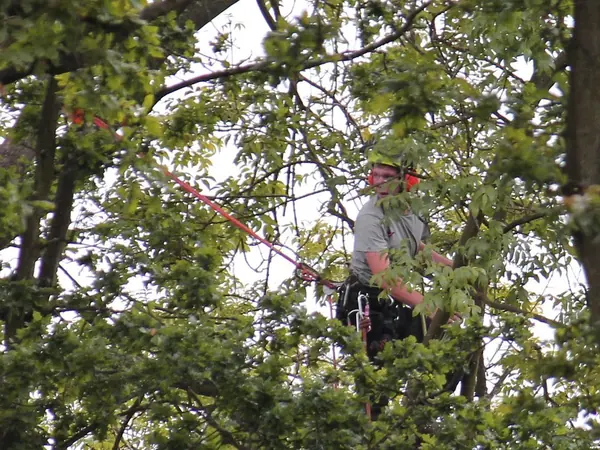
Representative photo. Check the retailer listing for the exact model, color and size.
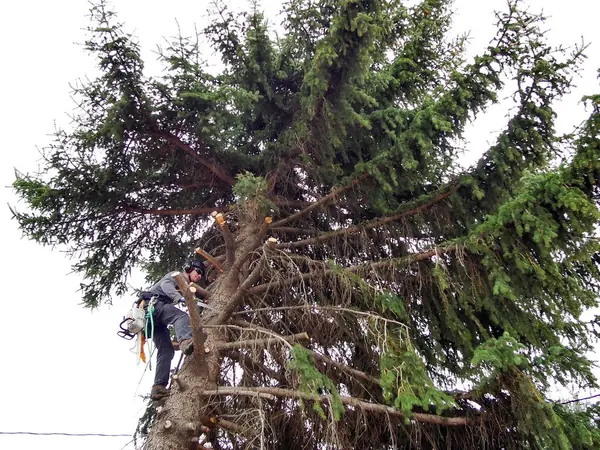
Photo: Tree Surgeon by Tim Sheerman-Chase, CC BY 2.0
Slick, thin Dyneema throw line that slides through crotches with little drag.
Samson Zing It is a slick 1.75 mm Dyneema throw line that many arborists consider the standard. Its coated finish slides over bark with little friction, so throws go farther and the line pulls back without hanging up.
Throw line has one job: get over the union you want and come back down without snagging. Zing It line does that well because it is thin, light and slick. The low weight means your throw weight is not dragging much line behind it, and the coated Dyneema slides over bark instead of grabbing it.
That slickness also helps when you need to isolate a crotch or pull the weight back through a tight spot. Climbers who switch from cheaper nylon throw line usually notice the difference in the first few throws.
It is also easy to see. Zing It comes in bright colors that stand out against bark and leaves, which helps when you are trying to spot where the line went over and whether it is resting on the union you aimed for.
Flake the line into a cube or bag, clip your weight on with a simple knot or a small snap, and throw underhand with a smooth arc. Once over, lower the weight, tie on your climbing line and pull it through. Zing It is strong enough to pull most climbing lines into place but is not a climbing or rigging line.
Keep a throw line bag with your line so it stays clean and tangle-free between throws.
When a throw goes over the wrong limb, the slick finish helps. You can often flip or shake the line off a lower limb and drop it into the right crotch without starting over.
Dirt and sap make any throw line sticky. Shake out debris and keep line out of mud. Cut out damaged sections and retie your weight when the end gets fuzzy. Replace the line when the coating wears through or the core shows.
Throw line is not life-support equipment, but it sets the line that is. Always inspect your climbing line and tie-in point, follow ANSI Z133 and the manufacturer's instructions, and keep people clear of the throw zone.
Keep a spare hank in the truck. Throw line gets cut, stuck high in a tree or left behind more often than any other piece of climbing gear, and a spare saves the job.
Zing It is about as thin as most arborists go. Some climbers prefer a slightly thicker throw line for easier handling with gloves or less tangling. If you use a launcher, thin slick line is usually the best match because it adds the least drag.
Most climbers settle on one throw line and stick with it, because the way a line runs off the cube and through the hand becomes muscle memory. If that is your first slick line, give it a few days of throwing before judging it.
| Diameter | 1.75 mm |
|---|---|
| Fiber | Dyneema (HMPE) |
| Finish | Slick coated |
| Common length | 180 ft hank |
| Intended use | Setting climbing and rigging lines |
Specs are from the manufacturer's published figures where available. Confirm against the product listing before you buy.
It is strong enough to pull climbing lines into place, but it is not rated for climbing or rigging. Check Samson's published figures for exact strength.
Yes. Its low weight and slick finish make it a common choice with launchers.
Usually it is coiled instead of flaked. Feed it loosely into a bag or cube and keep debris out.
Pairs well with
Teufelberger
Slick, lightweight throw line for setting climbing lines with less snagging.
Teufelberger
A slick, durable throw line built for clean throws and smooth pull-back.
Yale Cordage
Slick, low-stretch throw line for clean, high shots into the canopy.
Gap Arborist Supply
High-visibility, budget-friendly throw line for everyday line setting.
Gap Arborist Supply
Thin, slick throw line for setting climbing and rigging lines high in the canopy.
Courant
A slick 1.8mm throwline for setting lines high in the canopy.
FTC
An 80m, 1.6mm stiff throw line in bright yellow for long, high throws.
Notch
A 2.2mm throw line that is easy to grip and strong enough for hauling lines.
Samson Zing-It 1.75mm Throw Line$45