Samson
Samson Zing-It 1.75mm Throw Line
Slick, thin Dyneema throw line that slides through crotches with little drag.
Typical $45
 Throw Line
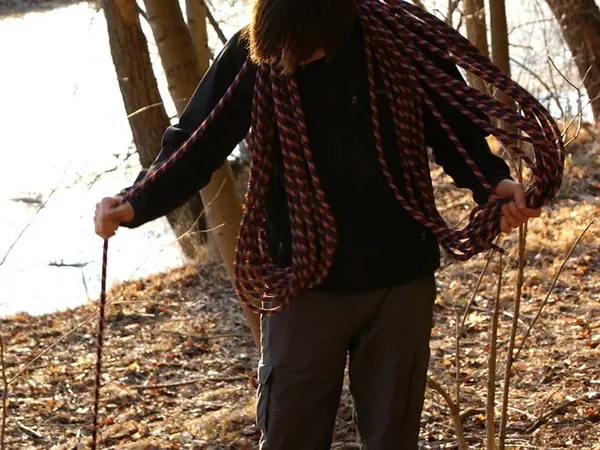
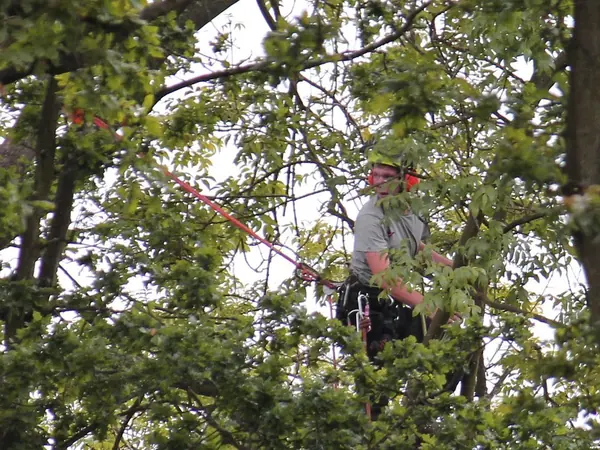
Representative photo. Check the retailer listing for the exact model, color and size.
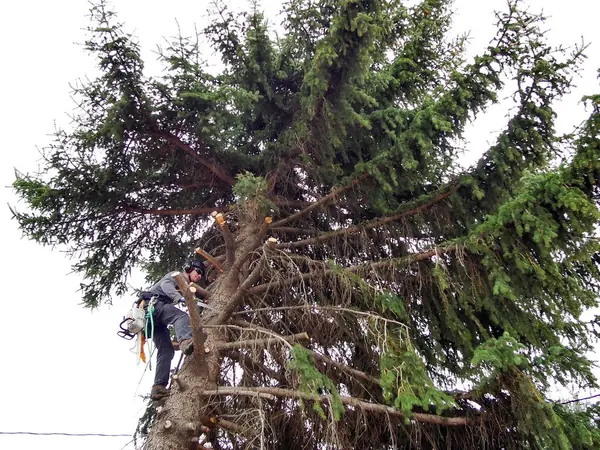
Photo: Tree Surgeon by Tim Sheerman-Chase, CC BY 2.0
Thin, slick throw line for setting climbing and rigging lines high in the canopy.
A 1.8mm throw line is the thin, low-friction cord you tie to a throw weight to set a climbing or rigging line in the canopy. At 1.8 mm it is on the thin side for throw line, which helps it fly farther and slip over unions easily.
Throw line comes in a few diameters, and thinner line weighs less and drags less through the air, so the weight carries farther. It also slides over branch unions with less friction, which makes isolating a tie-in point easier. The trade-off is that very thin line tangles more and is harder to handle with gloves on.
At 1.8 mm, this line is on the thinner side. Use a cube or bag to keep it organized, and pair it with a throw weight sized to your canopy. See more in our throw line section.
Thin line is also less likely to damage bark or pull small branches down as it runs, and it takes up less space in a throw cube. Practice a clean throw-and-retrieve routine on the ground first so that the line does not snarl the first time you need to set a high tie-in.
Throw line is for setting lines, not for life support or lifting loads. Once the throw line is set, use it to pull up your climbing line, then inspect the tie-in point from the ground before you commit to it.
Keep the line clean and dry, check for nicks and glazed spots, and cut out damaged sections. Store it in a cube so it pays out cleanly on the next throw.
| Diameter | 1.8 mm |
|---|---|
| Type | Arborist throw line |
| Use | Setting climbing and rigging lines |
Specs are from the manufacturer's published figures where available. Confirm against the product listing before you buy.
It is thinner than many throw lines and some climbers love it for distance. If you struggle with tangles or gloves, a slightly thicker line is easier to handle.
Long enough to go up and over your highest tie-in and back to the ground. Many arborists carry around 180 ft or more.
Pairs well with
Samson
Slick, thin Dyneema throw line that slides through crotches with little drag.
Teufelberger
Slick, lightweight throw line for setting climbing lines with less snagging.
Teufelberger
A slick, durable throw line built for clean throws and smooth pull-back.
Yale Cordage
Slick, low-stretch throw line for clean, high shots into the canopy.
Gap Arborist Supply
High-visibility, budget-friendly throw line for everyday line setting.
Courant
A slick 1.8mm throwline for setting lines high in the canopy.
FTC
An 80m, 1.6mm stiff throw line in bright yellow for long, high throws.
Notch
A 2.2mm throw line that is easy to grip and strong enough for hauling lines.
1.8 mm Throw Line$32