DMM
DMM Anchor Rings
Strong, smooth rings for building climbing anchors and friction savers.
Typical $25
 Rings
Rings
Representative photo. Check the retailer listing for the exact model, color and size.
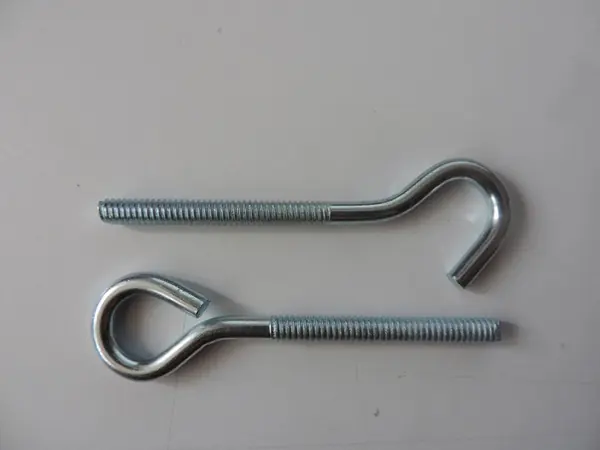
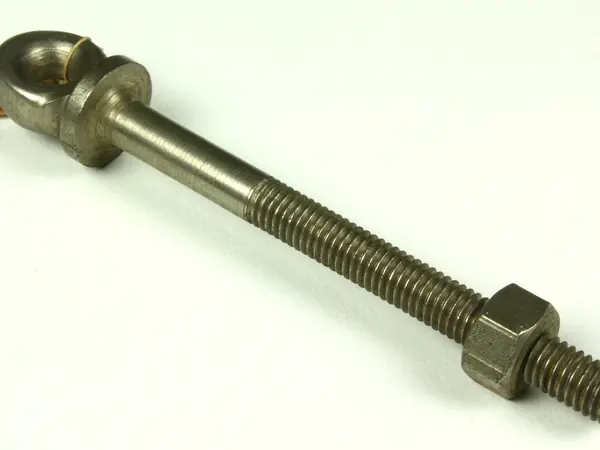
Photo: Eye Bolt - Basil Watson's Sopwith-Type Biplane, Melbourne, Victoria, 1916 by Photographer: David Thompson, CC BY 4.0
Hard-wearing steel rings for savers, anchors and rigging where rope runs often.
ISC steel rings are durable rings for friction savers, anchor slings and rigging setups where rope runs through them often. Steel resists grooving better than aluminum, so they last longer in high-wear spots.
Every time a rope runs through a ring, it wears it a little. Aluminum grooves over time, and those grooves can end up sharp. Steel holds up much better, so it is a better choice for rings that see constant rope travel, such as on a friction saver used daily or a natural-crotch rigging setup.
The trade-off is weight. Steel rings are heavier, which matters less on the ground or for rigging than it does on a climber's saddle.
Steel rings also stand up better to the knocks of being thrown in a gear bag, dropped on a truck bed or dragged over bark. For rings that live in a rigging kit or on a friction saver that sees daily use, that toughness means fewer replacements over a season and less worry about sharp edges forming where the rope runs. Many crews keep a mix of sizes in the kit.
Choose ring sizes to match the sling and the job, and check ISC's rating for each size before using it. A large ring with a smaller one that passes through it is the classic retrievable saver.
Inspect for grooves, rust, cracks and burrs before each use, and retire rings with damage. Life-support and rigging hardware should be used under ANSI Z133 practice and within the maker's instructions by trained crews. More options are in rings.
| Material | Steel |
|---|---|
| Maker | ISC |
| Use | Friction savers, anchors, rigging slings |
Specs are from the manufacturer's published figures where available. Confirm against the product listing before you buy.
They can if left wet. Dry them after use and inspect for corrosion.
Yes. Steel is noticeably heavier, which is the trade-off for better wear resistance.
Pairs well with
DMM
Strong, smooth rings for building climbing anchors and friction savers.
Petzl
An openable ring that installs around slings and anchors without threading an end.
DMM
Machined DMM rings for friction savers, anchors, and custom climbing setups.
The Splice Shop
A smooth aluminum ring for friction savers and custom climbing setups.
Gap Arborist Supply
A tough forged steel ring for building ring slings, anchors and redirects.
ISC Steel Rings$20