DMM
DMM Anchor Rings
Strong, smooth rings for building climbing anchors and friction savers.
Typical $25
 Rings
Rings
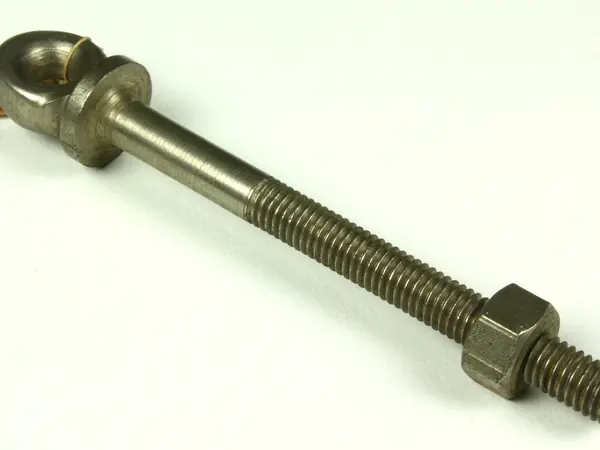
Representative photo. Check the retailer listing for the exact model, color and size.
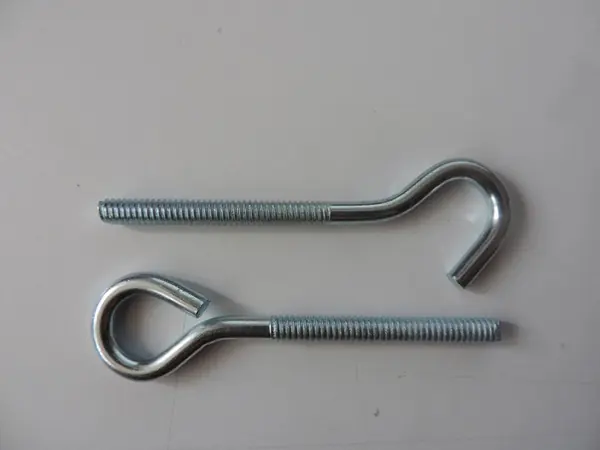
Photo: Stainless steel eye-bolt by Unknown, CC0
Light aluminum rings for friction savers, anchors and sling setups.
ISC aluminum rings are light, smooth rings used to build friction savers, adjustable anchors and other sling setups in tree climbing. They come in sizes, so you can pair a large and small ring for a retrievable cambium saver.
Rings are the simplest hardware in a climbing kit. On a ring-and-ring friction saver, the climbing line runs through both rings so it does not rub on the bark, and the smaller ring passes through the larger one so the saver can be pulled down from the ground.
Rings also show up on adjustable anchors, as a connection point on a sling and in some rigging setups. Aluminum keeps them light, which matters when you are hauling a full kit up a tree.
Keeping a few spare rings in the gear bag is cheap insurance. When a sling or saver gets worn or you want to build a new anchor in the field, the hardware is there, and a ring that has started to groove can be swapped before it becomes a problem. Label or store spares so they do not get mixed with rigging hardware.
Pick sizes that suit the job: a big ring and a smaller one that passes through it for a retrievable saver. Check ISC's ratings for each size and use rings only within them.
Aluminum wears faster than steel under running rope. Inspect for grooves, sharp edges, cracks and corrosion before each climb, and retire any ring that shows wear. Use it in life-support systems only under ANSI Z133 practice and after training. See the full rings range.
| Material | Aluminum |
|---|---|
| Maker | ISC |
| Use | Friction savers, anchors, slings |
Specs are from the manufacturer's published figures where available. Confirm against the product listing before you buy.
Aluminum is lighter. Steel lasts longer under rope wear. Many climbers use aluminum for savers and steel where rope runs often.
Use them only within ISC's ratings. Heavy rigging usually needs steel rings or blocks rated for those loads.
Pairs well with
DMM
Strong, smooth rings for building climbing anchors and friction savers.
Petzl
An openable ring that installs around slings and anchors without threading an end.
ISC
Hard-wearing steel rings for savers, anchors and rigging where rope runs often.
DMM
Machined DMM rings for friction savers, anchors, and custom climbing setups.
The Splice Shop
A smooth aluminum ring for friction savers and custom climbing setups.
Gap Arborist Supply
A tough forged steel ring for building ring slings, anchors and redirects.
ISC Aluminum Rings$20