Husqvarna
Husqvarna D-Shaped Carabiner
Auto-locking D-shaped carabiner for arborist climbing kits.
Typical $22
 Auto-Locking Carabiners
Representative photo. Check the retailer listing for the exact model, color and size.
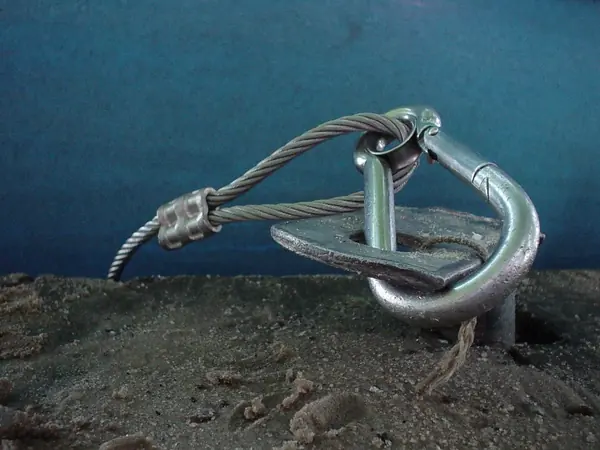
Photo: 3D-printed Carabiner Clip by Creative Tools, CC BY 2.0
Popular auto-locking D carabiner for arborist climbing systems.
The Rock Exotica rockD carabiner is an auto-locking D-shaped connector that many arborists use as their everyday carabiner. Its shape keeps the load on the strong spine, and the gate locks itself every time it closes.
The rockD hits a useful balance: light enough to carry several, strong along the spine, and smooth where rope and slings bear on it. Climbers use it on lanyard ends, on the saddle bridge, at friction savers, and to hang a rope grab or pulley that loads in one direction.
Because it is so widely carried, it is easy to standardize on. A saddle full of the same carabiner means every gate opens the same way, which helps when you are working with gloves on or clipping by feel around the stem.
Before each climb, open the gate and let it snap shut. It should close fully and lock on its own without sticking. Look for cracks, sharp edges, grooves worn by rope, and deformation at the nose or hinge. Sap and grit are the usual cause of a lazy gate, so rinse and dry the carabiner and keep the gate mechanism clean.
Retire any carabiner that has been dropped from height onto a hard surface, shock loaded, or shows wear you cannot explain. Read the markings on the spine and confirm they meet what your system needs. Life-support gear must meet the applicable standard (ANSI Z133 and the manufacturer's instructions), be inspected before every climb, and be used only by trained climbers. See more auto-locking carabiners.
| Shape | D |
|---|---|
| Gate | Auto-locking |
| Brand | Rock Exotica |
Specs are from the manufacturer's published figures where available. Confirm against the product listing before you buy.
It is a simple, common carabiner. Learn its gate action on the ground and inspect it before every climb.
Yes, for pulleys that load in a fixed direction. For setups that need centering, an oval is often better.
Pairs well with
Husqvarna
Auto-locking D-shaped carabiner for arborist climbing kits.
DMM
A light, auto-locking DMM carabiner with a snag-free nose for everyday climbing.
Petzl
Petzl's asymmetric D locker with a three-action auto-locking gate for climbing systems.
CAMP
A large aluminum oval with a triple-action auto-lock gate for pulleys and devices.
DMM
An aluminum oval with a Locksafe gate and a captive bar to keep devices in place.
ISC
A wide pear-shaped aluminum connector for hitches, anchors and lanyards.
ISC
A symmetrical aluminum oval with a triple-action gate for pulleys and devices.
ISC
A compact oval with ISC's Supersafe auto-locking gate for tight hitch systems.
Rock Exotica rockD Carabiner$25