Husqvarna
Husqvarna D-Shaped Carabiner
Auto-locking D-shaped carabiner for arborist climbing kits.
Typical $22
 Auto-Locking Carabiners
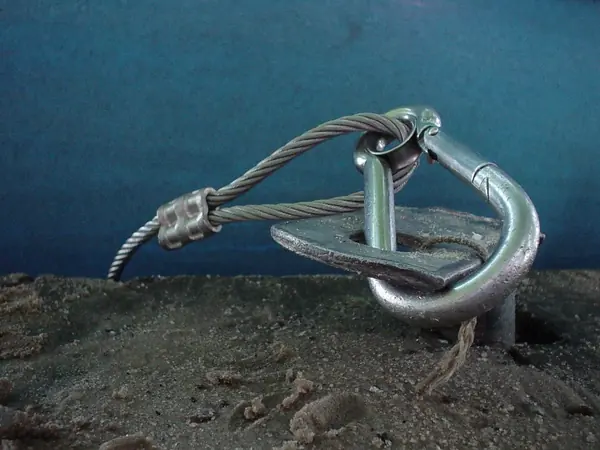
Representative photo. Check the retailer listing for the exact model, color and size.
Photo: Carabiners and Pulley by psd, CC BY 2.0
A durable steel offset oval auto-locker for hard-wearing climbing and rigging setups.
The ISC steel offset oval carabiner is a hard-wearing auto-locking connector for climbers and riggers who want steel's durability. The offset oval shape gives a wide gate opening while still keeping the load toward the spine.
Aluminum carabiners are light, but rope and steel hardware wear grooves into them over time. Steel carabiners last much longer in high-wear positions such as a pulley on the bridge, a rigging block attachment or a friction saver ring. The trade-off is weight, so many climbers carry steel where it counts and aluminum elsewhere.
The offset oval shape opens wide for clipping rings, D-rings and pulleys, and the curve helps keep the load near the spine where the carabiner is strongest. See other auto-locking carabiners for lighter or different-shaped options.
Steel also tolerates the occasional knock against hardware in the truck better than aluminum, and its extra weight is easy to live with in positions you rarely move, such as a pulley on your bridge or the attachment point on a friction saver.
Load the carabiner along its major axis with the gate fully closed and locked. Avoid cross-loading and loading over an edge. Clean grit out of the gate mechanism and keep it free of sap.
Before each climb, check that the gate snaps closed and locks every time, and look for cracks, corrosion and sharp grooves. Life-support gear must meet the applicable standard, be used per ANSI Z133 and the manufacturer's instructions, and be inspected before every climb by a trained user.
| Material | Steel |
|---|---|
| Shape | Offset oval |
| Gate | Auto-locking |
| Brand | ISC |
Specs are from the manufacturer's published figures where available. Confirm against the product listing before you buy.
Steel usually resists wear much better, and many steel carabiners carry higher ratings. Always check the rating marked on the carabiner for the job.
In high-wear spots, such as pulleys, friction savers and rigging hardware, where rope or metal contact would groove an aluminum carabiner.
Pairs well with
Husqvarna
Auto-locking D-shaped carabiner for arborist climbing kits.
DMM
A light, auto-locking DMM carabiner with a snag-free nose for everyday climbing.
Petzl
Petzl's asymmetric D locker with a three-action auto-locking gate for climbing systems.
CAMP
A large aluminum oval with a triple-action auto-lock gate for pulleys and devices.
DMM
An aluminum oval with a Locksafe gate and a captive bar to keep devices in place.
ISC
A wide pear-shaped aluminum connector for hitches, anchors and lanyards.
ISC
A symmetrical aluminum oval with a triple-action gate for pulleys and devices.
ISC
A compact oval with ISC's Supersafe auto-locking gate for tight hitch systems.
ISC Steel Offset Oval Carabiner$24