Husqvarna
Husqvarna D-Shaped Carabiner
Auto-locking D-shaped carabiner for arborist climbing kits.
Typical $22
 Auto-Locking Carabiners
Representative photo. Check the retailer listing for the exact model, color and size.
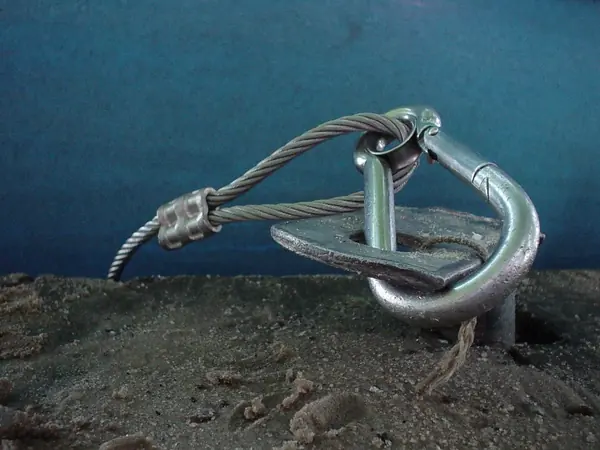
Photo: 3D-printed Carabiner Clip by Creative Tools, CC BY 2.0
An affordable aluminum auto-locking carabiner for everyday climbing connections.
This Pro-Climb carabiner is an aluminum connector with a two-action auto-locking gate. It is a practical, affordable choice for lanyards, hitch systems and the everyday connections in a climbing kit.
Every climber goes through carabiners: connecting a flipline, hanging a saw, building a hitch system. A double-locking aluminum carabiner covers most of those jobs at a fair price, which makes it easy to keep spares in the truck and to outfit new climbers.
The two-action gate locks automatically when it closes and opens with a twist then a pull. It is quicker than a triple-action gate, so check that a double-action gate is acceptable for your use under your company's rules and ANSI Z133.
Buying a few at a time also lets you color-code your kit, keeping one set for lanyards and another for hitch systems. Keep spares clean and out of the saw bucket, and retire any carabiner that shows grooves, cracks or a gate that does not snap shut and lock every time.
Read the strength markings and keep loads along the spine. Aluminum wears faster than steel where rope runs over it, so look for grooves and sharp edges.
Carabiners in a climbing system are life-support gear. Use only connectors rated for the purpose, follow ANSI Z133 and the maker's instructions, load them along the major axis, and inspect the gate, spring and body before each use. Compare our auto-locking carabiners.
| Material | Aluminum |
|---|---|
| Gate | Double-action auto-locking |
| Use | Lanyards and general climbing connections |
Specs are from the manufacturer's published figures where available. Confirm against the product listing before you buy.
The gate needs two actions, typically a twist and then a pull, to open, and it locks itself when it closes.
Check ANSI Z133, your employer's rules and the maker's instructions. Some setups call for triple-action gates.
Pairs well with
Husqvarna
Auto-locking D-shaped carabiner for arborist climbing kits.
DMM
A light, auto-locking DMM carabiner with a snag-free nose for everyday climbing.
Petzl
Petzl's asymmetric D locker with a three-action auto-locking gate for climbing systems.
CAMP
A large aluminum oval with a triple-action auto-lock gate for pulleys and devices.
DMM
An aluminum oval with a Locksafe gate and a captive bar to keep devices in place.
ISC
A wide pear-shaped aluminum connector for hitches, anchors and lanyards.
ISC
A symmetrical aluminum oval with a triple-action gate for pulleys and devices.
ISC
A compact oval with ISC's Supersafe auto-locking gate for tight hitch systems.
Pro-Climb Double-Locking Aluminum Carabiner$15