Samson Rope
Samson Zing-It Throw Line, 180 ft.
Slick, low-friction throw line for setting climbing and rigging lines high.
Typical $40
 Featured Gear
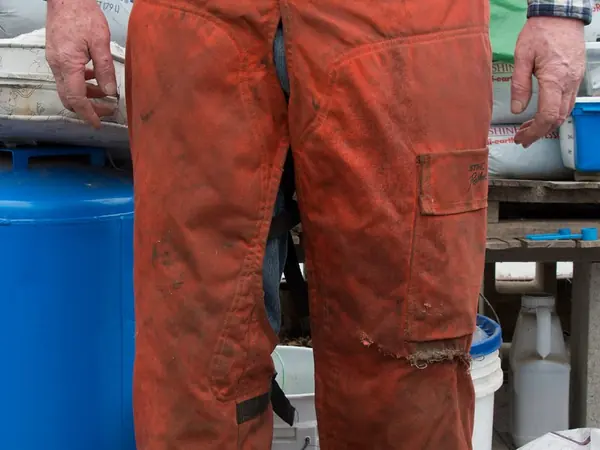
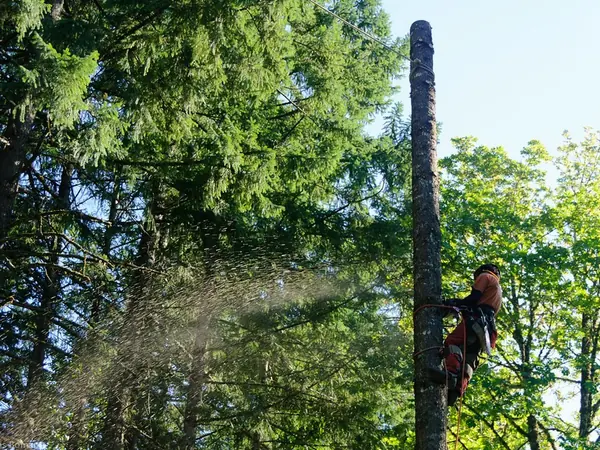
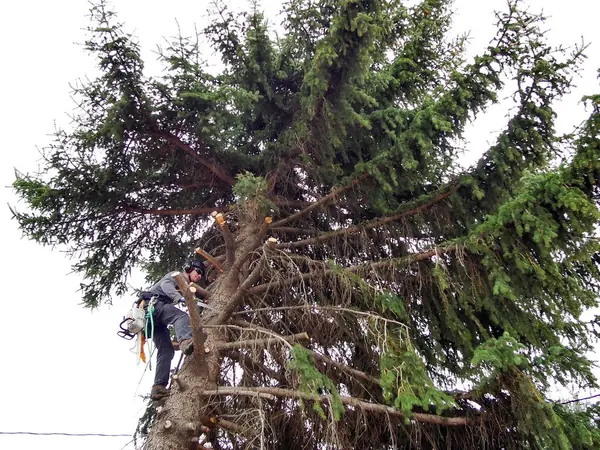
Representative photo. Check the retailer listing for the exact model, color and size.
Photo: coiling by michael pollak, CC BY 2.0
Short lengths of Edelrid static rope for lanyards, slings and rigging bits.
Edelrid static rope in shorty hanks gives you real climbing-grade kernmantle rope in short lengths at a lower price. Crews use them as tag lines, chokers, short lowering lines and practice rope for knots and hitches.
Not every rope job needs a 150 ft. hank. Shorty hanks are short lengths of Edelrid static rope, the leftover footage from full spools. You get the same low-stretch construction and durable cover at a price that makes sense for the many small jobs a crew does every week.
Think of them as the utility drawer of the rope bag. A tag line to steer a piece clear of a roof, a quick choker to snatch a small limb, a pull line for a small felling cut, or a hank kept in the bucket truck for lowering small wood.
Because they come from good rope, shorty hanks hold up much better than hardware-store rope. The cover resists bark, the core stays round and knots untie after a load.
Shorty hanks are also good training rope. New climbers can practice knots, hitches and terminations at the shop or on the ground without tying up a working climbing line. Tie a running bowline, a clove hitch, a timber hitch and a figure eight on a bight until you can do them with gloves on and eyes closed.
Keep practice rope separate from working rope and mark it clearly, so it never ends up in the climb kit by accident.
Practice rope also helps when teaching the ground crew. Rigging knots, a proper bowline for a tag line and the hitches used on a lowering device are all worth learning, even for people who never climb.
Know the diameter and strength of the hank you have, and keep rigging loads well inside the rope's working limits. Short static rope does not absorb shock, so avoid letting pieces free-fall onto it. For anything bigger than small pieces, use a proper rigging line and lowering device.
If you plan to turn a hank into life-support gear, such as a lanyard, it must be suitable for that use, terminated correctly and built by someone trained to do it. When in doubt, buy finished gear.
Write the intended use on a tag at each end. A tag line and a practice rope can look identical in the bag, and labeling keeps the right rope on the right job.
Check the cover for cuts, glazing and core shots, and feel along the length for soft or stiff spots. Keep rope away from bar oil, fuel and battery acid. Store hanks dry and out of sun. For a hank sized for lanyards and slings, see our other Edelrid shorty hanks, and pull them up into the tree with a Zing-It throw line.
Coil each hank the same way every time so it pays out without tangles when you need it in a hurry.
| Brand | Edelrid |
|---|---|
| Rope type | Static kernmantle |
| Format | Short hank |
| Use | Lanyards, slings, lowering lines |
| Ends | Sealed, unterminated |
Specs are from the manufacturer's published figures where available. Confirm against the product listing before you buy.
For tag lines, chokers and practice rope, short lengths cost less and you avoid cutting up a long working line.
Shorty hanks are generally too short to climb on. Use a full-length climbing line rated for life support.
Use a hot knife or tape and heat-shrink the end so the cover and core do not unravel.
Pairs well with
Samson Rope
Slick, low-friction throw line for setting climbing and rigging lines high.
Clogger
Light, breathable chainsaw pants built so climbers actually keep them on.
Edelrid
Short lengths of Edelrid static rope for lanyards, slings and rigging bits.
Masdaam
A portable hand-operated rope winch for felling, pulling and positioning loads.
Edelrid Static Rope Shorty Hanks, Short Lengths$45