Samson Rope
Samson Zing-It Throw Line, 180 ft.
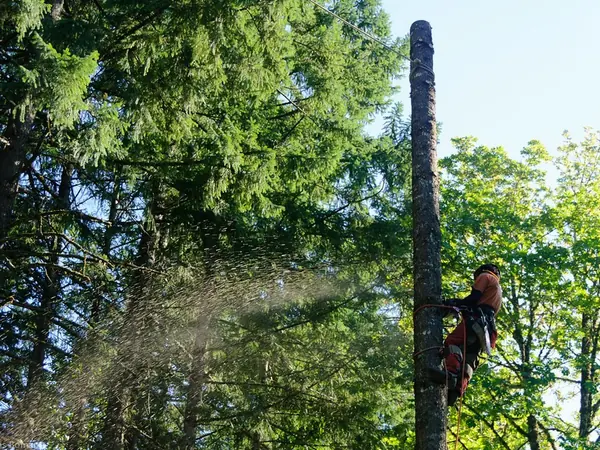
Slick, low-friction throw line for setting climbing and rigging lines high.
Typical $40
Shop arborist gear by department or start with the picks here. We cover climbing and rigging rope, saws and accessories, safety gear and plant care supplies, with typical prices and practical buying notes for working crews.
Samson Rope
Slick, low-friction throw line for setting climbing and rigging lines high.
Clogger
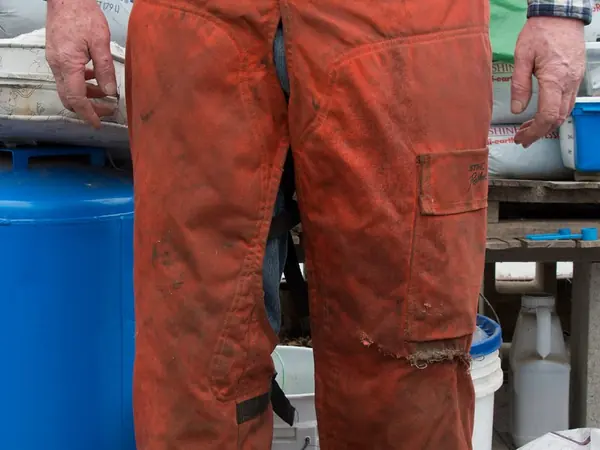
Light, breathable chainsaw pants built so climbers actually keep them on.
Edelrid
Short lengths of Edelrid static rope for lanyards, slings and rigging bits.
Edelrid
Short lengths of Edelrid static rope for lanyards, slings and rigging bits.
Masdaam
A portable hand-operated rope winch for felling, pulling and positioning loads.
Nothing matches those filters. Try another brand or raise the price limit.
Buying guide
Every product page shows a typical street price and buying notes written for tree work. Use the Check price button to see current prices and availability from our retail partners. Prices change often, so the typical price is a guide rather than a quote.
We focus on gear that working arborists actually reach for: climbing and rigging rope, hitch cord, blocks and lowering devices, saws and saw accessories, PPE and the supplies that keep a truck stocked.
We do not post made-up reviews, star ratings or sales counts. Instead, each product page describes what the gear is, how crews use it on the job and what to check before buying. Specs are listed only when we are confident of them, and weights are given as approximate when they vary.
Climbing: rope, hitch cord, throw lines, and the safety gear that goes with them. Rigging: rigging rope, slings, blocks, lowering devices and mechanical advantage. Saw work: chainsaws, bars and chain, fuel, files, wedges and chaps. Ground work: log tools, chipper knives, stump grinder teeth and cleanup tools. Plant health: cabling, bracing and planting supplies.
Safety gear covers helmets, eye and hearing protection, gloves, first aid, communication, fall protection and traffic control. Power equipment includes gas and battery saws, blowers, trimmers and the parts that keep them running. Each department page has its own buying guide to help narrow the choice.
Not sure where to start? Use the department pages for rope, rigging, safety, jobsite gear and plant care. Each one has subcategories, so you can narrow down to exactly what you need, such as 24-strand climbing rope, crane slings or helmet ear muffs, and read a short guide before choosing.
Climbing rope, connectors and other life-support equipment must meet the applicable standards and be used according to ANSI Z133 and the manufacturer's instructions. Inspect it before every use and retire it when damaged or in doubt. If you are new to climbing, get trained before you buy a full kit, since your trainer will help decide what system suits you.
Rigging equipment also needs to be matched and rated for the loads you plan to lower. Read the rated strength of every component, keep rigging gear separate from life-support gear and inspect everything before each job. Training with a qualified instructor is the best way to learn rigging safely.
Not sure what fits your system? Start with the category guides; each one explains how the gear is used and what to check before ordering, like rope diameter, bar pitch or sling ratings.
If you are building a first kit, start with safety gear and the essentials for the work you do most, then add specialized gear over time. A well-chosen basic kit beats a truck full of gear you do not yet know how to use.
They are typical street prices. Use Check price for the current price and availability.
Yes, but we recommend professional training before climbing or rigging.
Check the manufacturer's instructions for rope diameters and device compatibility, and read our category guides.
Orders are fulfilled by our retail partners. Shipping details are shown when you check the price.