Samson Rope
Samson Zing-It Throw Line, 180 ft.
Slick, low-friction throw line for setting climbing and rigging lines high.
Typical $40
 Featured Gear
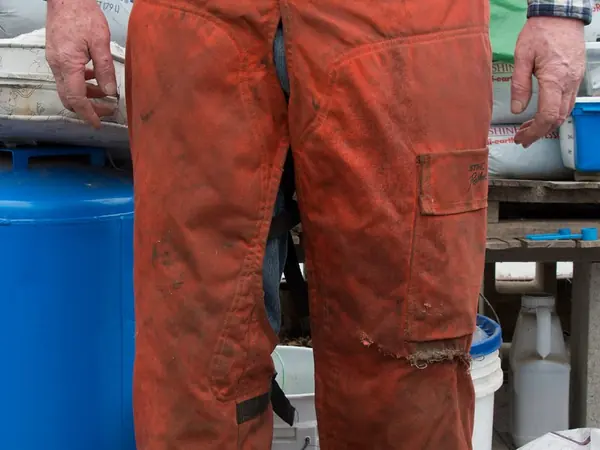
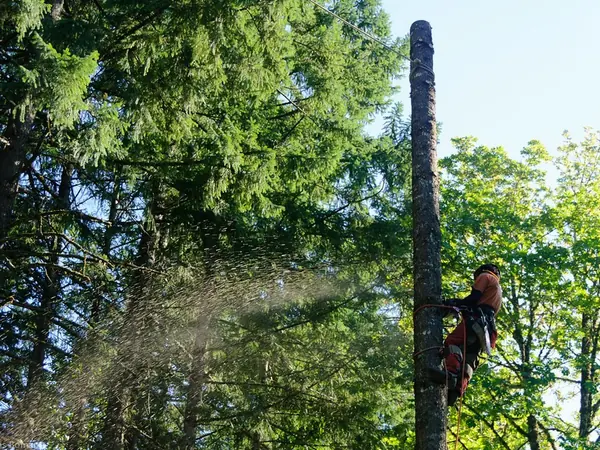
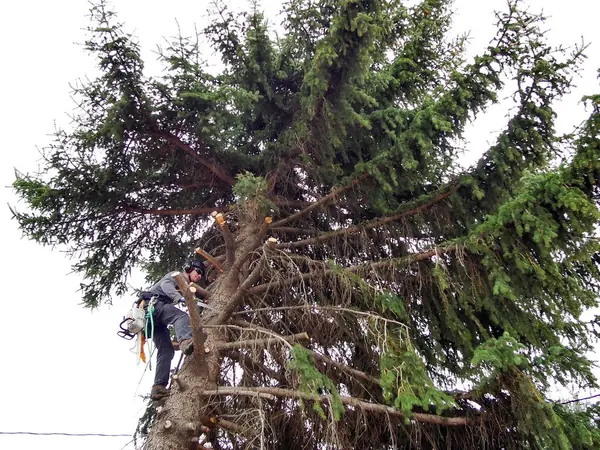
Representative photo. Check the retailer listing for the exact model, color and size.
Photo: IMG_0397 by hojaleaf, CC BY 2.0
Short lengths of Edelrid static rope for lanyards, slings and rigging bits.
Edelrid static rope shorty hanks are short lengths of low-stretch kernmantle rope cut from full spools. They are the cheap, practical way to get quality rope for a flip line, a sling or a short lowering line without buying a 150 ft. hank.
Every gear room ends up needing short pieces of good rope. A new flip line, a sling to choke a limb, a short lowering line for the bucket truck, a tag line on a small rigging job. Buying a full spool for those jobs is wasteful, and cutting up a retired climbing line gives you worn rope. Shorty hanks fill the gap.
These are short lengths of Edelrid static rope. Static kernmantle rope has low stretch, a firm hand and a cover that holds up well against bark and hardware, which makes it a good base for positioning and light rigging uses.
Shorty hanks are a smart way to try a rope before you commit to a full climbing line or rigging spool. Build a lanyard from a hank and you will learn how the rope handles, how it takes a hitch and how the cover wears.
If you are making a positioning lanyard, you need a termination your system is designed for, such as a sewn eye, a properly tied and dressed knot or a splice made by a trained splicer. Pair the rope with an adjuster or hitch cord that is rated for its diameter. Never mix gear outside the manufacturers' compatibility lists.
For rigging, a short hank works well as a choker sling with a tied or spliced eye, or as a light lowering line on small pieces. Know the rope's strength and keep loads well within working limits.
Size the hank to the job. A flip line needs enough length to go around the largest stems you climb plus the tails for the adjuster and termination. A choker only needs enough to wrap the limb and leave a tail to tie off.
Rope you make into life-support gear must meet the applicable standard for that use, and the finished item, including terminations, has to be suitable. If you are not trained to build and inspect lanyards, buy a finished one. ANSI Z133 and the manufacturer's instructions apply. Inspect every homemade piece before each use and retire it at the first sign of damage.
Mark shorty hanks with their length and date when you cut them up, so you know how old each piece is and what it came from.
Keep rope out of sun, heat and chemicals, especially bar oil and fuel. Store hanks coiled in a bag, not loose in the truck bed with saws and wedges. Wash in cool water with a rope cleaner if they get heavily soiled. Compare with the other Edelrid shorty hank listing for different lengths or colors.
If you are not sure what to build from a hank, start with a tag line or a choker. These are simple, useful uses that build familiarity with the rope.
| Brand | Edelrid |
|---|---|
| Rope type | Static kernmantle |
| Format | Short hank |
| Use | Lanyards, slings, lowering lines |
| Ends | Sealed, unterminated |
Specs are from the manufacturer's published figures where available. Confirm against the product listing before you buy.
Common uses are flip lines, chokers and slings, tag lines and short lowering lines. Life-support items need proper terminations and training.
Yes, low-stretch rope is a common choice for positioning lanyards when paired with a compatible adjuster and termination.
Shorty hanks are short lengths cut from spools. Check the listing for the exact length and color of each hank.
Pairs well with
Samson Rope
Slick, low-friction throw line for setting climbing and rigging lines high.
Clogger
Light, breathable chainsaw pants built so climbers actually keep them on.
Edelrid
Short lengths of Edelrid static rope for lanyards, slings and rigging bits.
Masdaam
A portable hand-operated rope winch for felling, pulling and positioning loads.
Edelrid Static Rope Shorty Hanks$45