Husqvarna
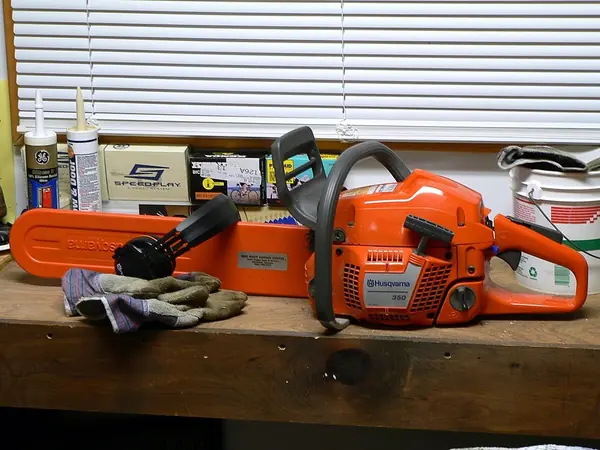
Husqvarna Power Axe 350i Battery Chainsaw
A 40V battery rear-handle saw for ground crews, cleanup, and storm limbing.
Typical $449
 Battery Equipment
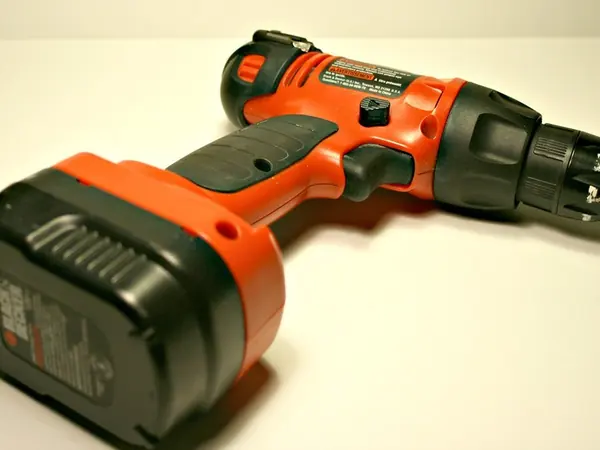
Representative photo. Check the retailer listing for the exact model, color and size.
Photo: Cordless Drill by HomeSpot HQ, CC BY 2.0
Fast charger for Husqvarna 36 V BLi batteries, built for crews that run all day.
The QC500 is a Husqvarna battery charger built for speed. It charges the 36 V BLi batteries used in Husqvarna's battery saws, blowers and trimmers faster than the standard chargers, so a small set of batteries can keep tools running through a full workday.
With battery tools, the number of batteries you need depends on how fast you can charge them. A slow charger means buying extra packs to cover the day. A fast charger like the QC500 lets a smaller set of batteries rotate: one in the tool, one charging, one ready.
For a climber running a battery top-handle saw, that difference matters. A saw that goes dead halfway through a pruning job means a trip down the rope. With a quick charger in the truck or at the job site, the ground person can keep fresh packs ready to send up.
Fast charging also helps crews that are moving from gas to battery one tool at a time. If the blower, the pole saw and the top-handle all share packs, a quick charger keeps every tool topped up without buying a battery for each one.
The QC500 is made for Husqvarna's 36 V BLi battery packs, the same batteries used in their handheld battery tools such as the T540iXP top-handle saw and the 230iB blower. It does not charge batteries from other brands or other Husqvarna voltage systems.
Charge times depend on the battery size and its condition. Larger capacity batteries take longer. Check Husqvarna's charge time chart for your battery to plan how many you need for a day.
If you are building a battery kit from scratch, think about the whole day before you buy. Count how many tool-hours you run, how long each battery lasts in your work and how long the QC500 takes to refill it. That tells you whether two batteries are enough or you need three.
Many crews charge at the shop overnight and bring the charger along for longer days. If you charge from the truck, use an inverter or generator with enough clean power to run the charger, and make sure the setup is properly installed and protected. An undersized inverter can shut down or damage electronics.
Keep the charger dry and out of the chip and sawdust mess. A small box or a shelf inside the cab or utility body keeps it clean and ventilated. Do not cover the vents while it is running.
Set up the charging spot so batteries are easy to swap without climbing into the truck. A labeled shelf for charged and empty packs saves confusion when several people are using the same batteries.
Let hot batteries cool a little before charging if the charger asks for it. Store batteries and charger at moderate temperatures. Heat and freezing cold both shorten battery life. Do not charge damaged, swollen or wet batteries, and keep contacts clean. Follow the manual for long-term storage, and inspect cords and plugs regularly. Replace a charger with a damaged cord rather than taping it.
A battery that suddenly runs for much less time than it used to may be near the end of its life. Track the age and condition of your packs, and retire damaged ones properly through a battery recycling program rather than the trash.
| Type | Quick battery charger |
|---|---|
| Output | About 500 W |
| Compatible batteries | Husqvarna 36 V BLi |
| Input | Standard household outlet (check listing) |
| Brand | Husqvarna |
Specs are from the manufacturer's published figures where available. Confirm against the product listing before you buy.
It charges Husqvarna 36 V BLi batteries used in their handheld battery tools.
Yes. It is Husqvarna's quick charger with higher output than the standard models. Actual times depend on the battery size.
Yes, with an inverter or generator that can supply enough clean power for the charger. Check the charger's input requirements.
Pairs well with
Husqvarna
A 40V battery rear-handle saw for ground crews, cleanup, and storm limbing.
Husqvarna
Professional battery top-handle saw for climbers working in the canopy.
Husqvarna
Handheld 36 V battery blower for quiet, quick cleanup at the end of a job.
Husqvarna
Professional 36 V top-handle saw for trained climbers working aloft.
Husqvarna
A pro-grade straight-shaft battery trimmer for cleanup on tree and landscape jobs.
Husqvarna
A battery cut-off saw for concrete, pavers and pipe on hardscape-heavy jobs.
Husqvarna
A pro battery top-handle saw for in-tree pruning and light removals.
Husqvarna
A professional rear-handle battery saw for ground work, limbing, and quiet jobs.
Husqvarna QC500 Quick Charge Battery Charger$149