
6 min read
NGK CMR6H vs BPMR7A: Chainsaw Spark Plug Guide
Two common chainsaw plugs that look alike on paper but are not interchangeable, plus how to gap and read them.
NGK CMR6H vs BPMR7A: the short answer
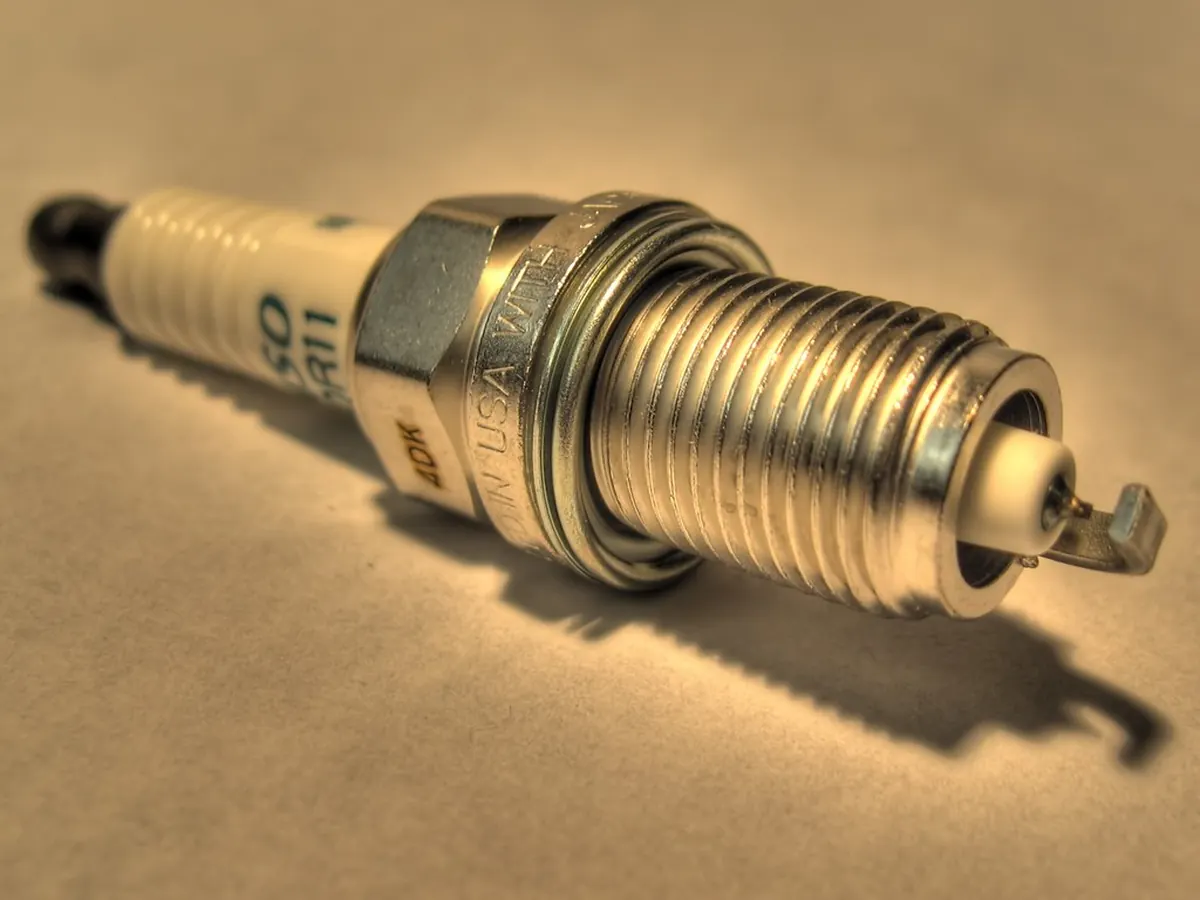
The NGK CMR6H vs BPMR7A question comes up because both plugs show up in Husqvarna and other professional saws. They are not interchangeable. The BPMR7A has a 14 mm thread and the CMR6H has a smaller 10 mm thread, so a plug that fits one saw will not even thread into a saw built for the other.
The right plug for your saw is the one listed in its operator's manual. This guide explains what the codes mean, which saws commonly use which plug, how to check the gap, and how to read an old plug to see how your saw is running. Both plugs are in our power equipment parts section.
What the NGK codes mean
NGK plug codes describe the plug's physical size and design. The letters and numbers are not random, and they explain why similar-looking plugs are not swappable.
- BPMR7A: B means a 14 mm thread, P a projected insulator, M a compact design, R a resistor, 7 the heat range and A a special design feature
- CMR6H: C means a 10 mm thread, M a compact design, R a resistor, 6 the heat range and H the thread reach
- In NGK's system a higher heat range number means a colder plug, so a 7 is colder than a 6
- The thread size difference alone means the two plugs cannot replace each other
Which Husqvarna saws use which plug
The BPMR7A is a long-standing plug for many larger Husqvarna saws. The 372XP is a well-known example: Husqvarna lists the NGK BPMR7A, or an equivalent, for it. Many other older and larger Husqvarna saws use the same plug, which is why it is a common item to keep in the truck. See our NGK BPMR7A page.
The CMR6H is a compact plug with a smaller thread, used on many newer and smaller engines, including a number of handheld power tools and some top-handle and compact saws. Our NGK CMR6H page has more detail.
Saw models change over time, and plug specs can differ between versions and markets. Always confirm the exact plug for your saw in the operator's manual, on the manufacturer's parts lookup, or with an NGK cross-reference before you buy. If the plug in your saw now does not match the manual, the previous owner may have installed the wrong one.
A quick way to check on a saw you already own is to pull the existing plug and read the code printed on the insulator. That tells you what is installed, but not necessarily what belongs there. Compare it with the manual before ordering a replacement, and keep a note of the correct plug in your saw kit so the next person does not have to look it up.
Setting and checking the gap
The gap is the space between the center and ground electrodes. Too small and the spark is weak; too large and the saw can misfire, especially at high RPM. Husqvarna commonly lists a gap of 0.5 mm (0.020 in) for many of its saws, but check the manual for your model rather than assuming.
Check the gap with a wire-style gap gauge, not a flat feeler that can give a false reading on worn electrodes. Adjust only the ground electrode by bending it gently, never the center electrode. Thread the plug in by hand first so you do not cross-thread the cylinder, then snug it to the torque in the manual.
Never assume a new plug comes gapped correctly for your saw. Plugs are sold for many engines, and the factory gap may not match your saw's spec. Checking takes a few seconds and avoids a hard-starting saw on the next job.
- Let the saw cool before removing the plug
- Clean around the plug before removal so grit does not fall into the cylinder
- Use a wire gap gauge and adjust only the ground electrode
- Start the plug by hand and tighten to the manual's torque spec
Reading spark plug color
An old plug tells you a lot about how a saw is running. After a normal run, the insulator around the center electrode should be a light tan or light brown. That generally means the fuel mixture and heat range are about right.
A black, sooty or wet plug points to a rich mixture: too much fuel or oil, a clogged air filter, too much idling, or a carburetor that needs adjustment. A white or very light, blistered insulator can mean the saw is running lean and hot, which can damage the engine. Oily deposits can point to the wrong fuel ratio. Use plug color as a clue, then check the basics before turning screws.
Read the plug after a good working run, not after a cold start and a few seconds of idling, which almost always leaves it looking darker than normal. If you change anything, such as a new air filter or a fresh tank of correctly mixed fuel, run the saw under load for a while before you judge the plug again.
- Tan or light brown: running normally
- Black and dry, sooty: rich mixture or dirty air filter
- Wet and oily: too much oil, flooding or a fuel ratio problem
- White or blistered: lean and hot; check for air leaks and fuel delivery
When to replace the plug
Replace the plug when the electrodes are worn or rounded, the insulator is cracked, deposits will not clean off, or the saw is hard to start and other causes have been ruled out. Many saw users replace the plug at the start of each season or on a regular service schedule, along with the air and fuel filters.
A plug is inexpensive, so keep a spare of the right type in your saw kit. If a lean condition shows up on the plug, have the saw checked before running it hard. Lean running can score a piston quickly. When in doubt, take it to a qualified service shop.
Fouling is the most common plug problem on saws that idle a lot or run old fuel. A fouled plug may clean up and run for a while, but deposits often come back quickly. Replacing the plug and fixing the cause, such as a dirty air filter, old fuel or the wrong mix ratio, is the lasting fix. Store saws with fresh, stabilized fuel or run them dry for long storage, following the manual.
Common questions
Can I use a CMR6H instead of a BPMR7A?
No. The BPMR7A has a 14 mm thread and the CMR6H has a 10 mm thread, so they do not fit the same engines. Use the plug listed in your saw's manual.
What spark plug does the Husqvarna 372XP use?
Husqvarna lists the NGK BPMR7A or an equivalent for the 372XP. Confirm in your operator's manual, since specs can vary by version.
What is the spark plug gap on a Husqvarna chainsaw?
Husqvarna commonly lists 0.5 mm (0.020 in) for many saws. Check the operator's manual for your exact model.
What color should a chainsaw spark plug be?
Light tan or light brown is normal. Black and sooty suggests a rich mixture, and white or blistered suggests a lean, hot condition.