Husqvarna
Husqvarna Technical Forestry Helmet
A forestry helmet system with visor and earmuffs for felling, bucking and ground saw work.
Typical $90
 Helmets
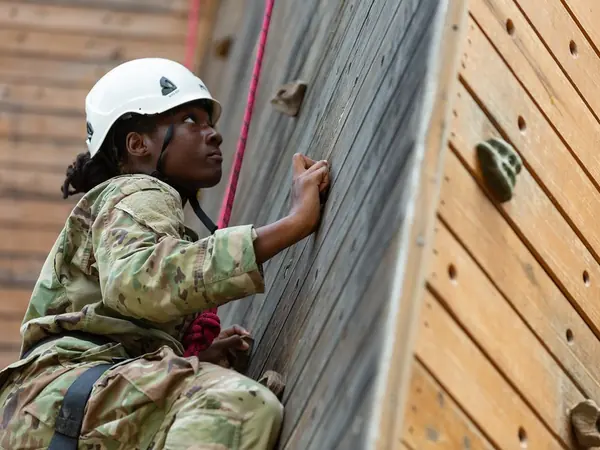
Representative photo. Check the retailer listing for the exact model, color and size.
Photo: 3rd Regiment, Basic Camp, FHCC CST 2021 by U.S. Army ROTC, Public domain
A ventilated work-at-height helmet with a secure fit for long days in the canopy.
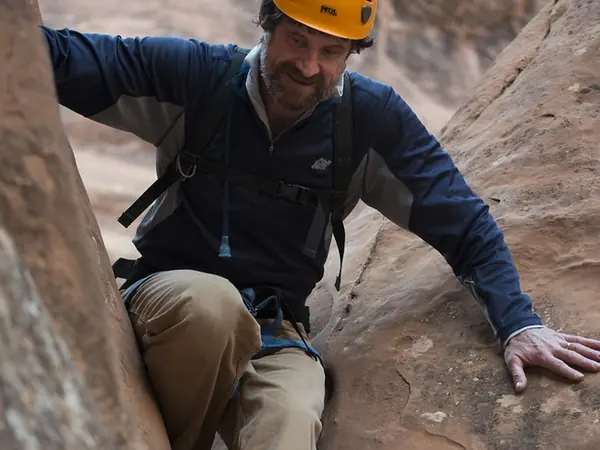
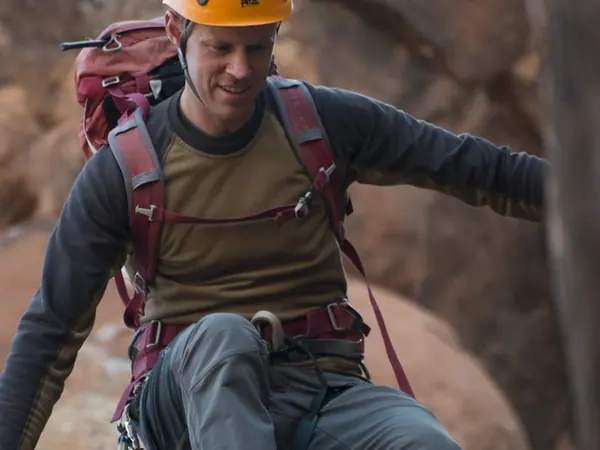
The Petzl Vertex Vent is a Petzl helmet built for climbing and work at height, with closable vents for airflow and a chin strap that keeps it on through slips and swings. Its textile suspension and adjustment system give a stable, comfortable fit for long days aloft.
The Petzl Vertex has been a standard in rope access, rescue and tree work for a long time. The Vertex Vent is the ventilated version, with sliding shutters that let you open the vents on hot days and close them to keep out sawdust and rain. For climbers who work through the summer, that airflow makes a real difference.
Like all climbing helmets, it has a chin strap that keeps the helmet on during a slip, swing or fall. That is something a traditional hard hat does not do.
Many crews use the Vertex Vent as a standard climbing helmet for exactly that reason: it works in hot weather and still keeps out debris when the vents are closed.
For new climbers, the Vertex Vent is a sensible first helmet because it is widely used, easy to adjust and well supported with spare parts. Pads, chin straps and accessories are easy to find, which keeps the helmet in service longer.
The Vertex uses a textile suspension that cradles the head instead of perching on it. Combined with the adjustment system, it gives a stable fit that does not shift when you look up into the canopy or lean over a cut. Many climbers with longer heads find the Petzl vertex a better fit than rounder helmets, but head shape varies, so try it on if you can.
The pads are removable and washable, which helps over a long season.
Adjustment is quick, so you can snug the fit when you start climbing and loosen it on breaks. That makes it easier to wear the helmet all day instead of taking it off between climbs.
Petzl also publishes clear inspection guidance, so it is easy to build the helmet into your daily gear check along with your saddle and rope.
Slots on the shell accept Petzl visors, helmet-mounted earmuffs and headlamps, so you can build it into a full saw-ready setup. There are also high-visibility and unvented versions; unvented helmets are the option to look at when electrical insulation matters. Check the label on the exact model against your employer's requirements.
Climbers often compare it with the Kask Super Plasma. Both are excellent; fit usually decides it. Browse all options in our climbing helmets section.
When you add accessories, check that the combination is approved by Petzl. Mixing parts from different makers can affect fit and protection, and some accessories may not fit every version of the helmet.
Keep the helmet out of strong sun when stored, clean it with mild soap and water, and avoid solvents and unapproved stickers. Check the shell, suspension and chin strap for damage.
Choose a helmet that meets the standard your employer and ANSI Z133 require for the work you do, fit it per the manufacturer's instructions, and replace it after a significant impact or when it reaches the maker's service life.
Keep a note of when you started using it, and check the manufacturer's recommended service life for your version.
| Type | Work-at-height helmet |
|---|---|
| Brand | Petzl |
| Ventilation | Closable vents |
| Retention | Chin strap |
| Weight | about 490 g (17 oz) |
| Typical price | About $135 to $160 |
Specs are from the manufacturer's published figures where available. Confirm against the product listing before you buy.
The Vertex Vent has closable ventilation openings. The non-vented Vertex is the choice when you need a closed shell, such as for some electrical work.
Yes. It has slots for Petzl-compatible earmuffs and visors, plus clips for a headlamp.
About 490 g, or roughly 17 ounces, before accessories.
Pairs well with
Husqvarna
A forestry helmet system with visor and earmuffs for felling, bucking and ground saw work.
Kask
A popular climbing helmet for arborists who want comfort, airflow and accessory options.
Pfanner
A fully integrated arborist helmet with built-in hearing and face protection.
Kask
A hi-viz climbing-style work helmet for arborists working near traffic and machines.
Husqvarna
A forestry helmet system with visor, ear muffs, and quick wheel ratchet fit.
Petzl
A vented, high-visibility Vertex helmet for climbers who need to be seen.
Petzl Vertex Vent Helmet$145