
7 min read
Tree Climbing Gear: The Complete Checklist
Everything a working climber carries, why each piece matters, and where it makes sense to spend more.
Start with training, then buy the tree climbing gear
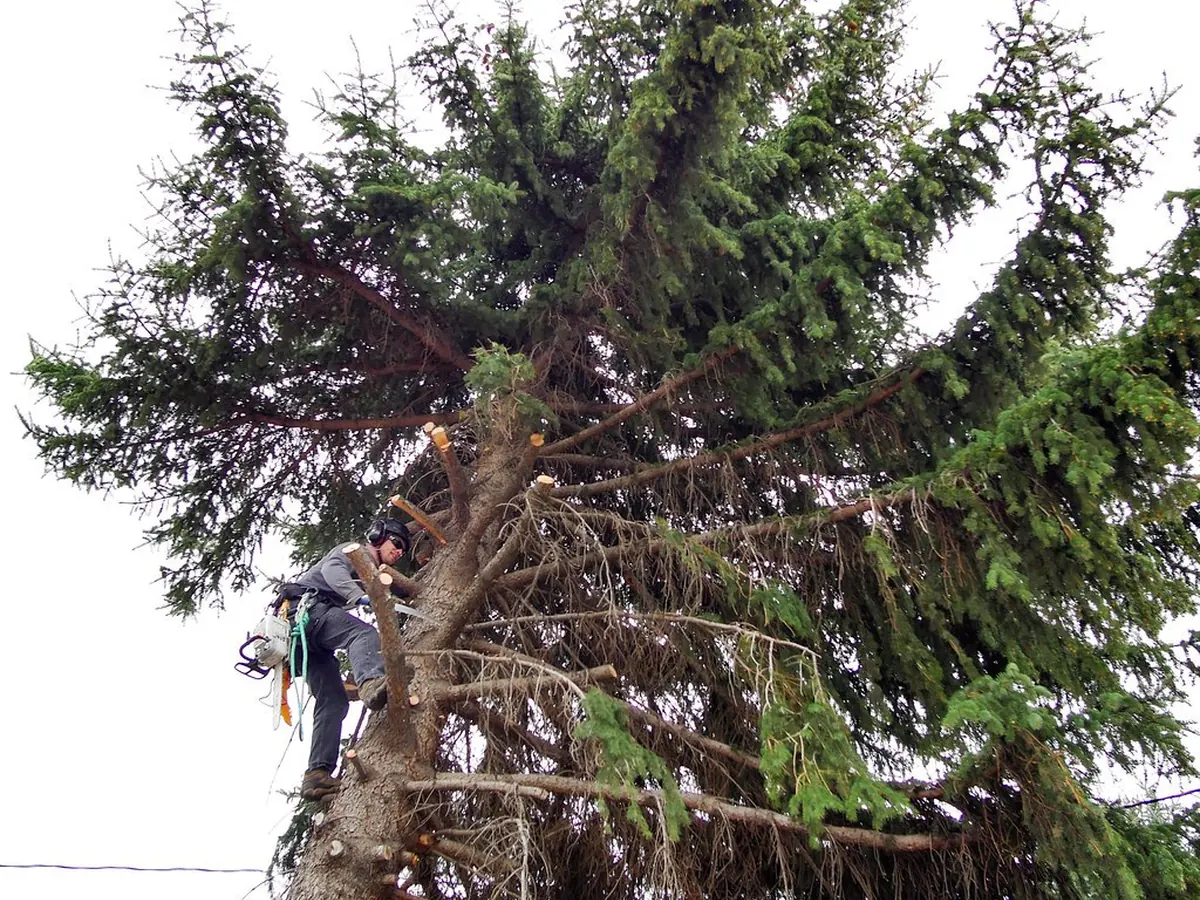
Tree climbing gear is life-support equipment. Before you spend money on a kit, get trained by a qualified arborist climber or a recognized training program, and learn the gear in a controlled setting low to the ground. Every item on this list should meet the applicable ANSI Z133 requirements and be used according to its manufacturer's instructions.
This checklist walks through a full kit in the order you will use it on a typical climb: get a line in the tree, tie in, ascend, position, work and come down. For each item we cover what it does, what to look for, and where a beginner can save money versus where a working climber should spend it.
A rule that holds across the whole kit: buy compatible pieces. Your rope, hitch cord or device, carabiners and saddle bridge all work together, and a mismatch in diameter or gate type causes more problems than any single cheap item.
Saddle: the piece you will feel all day
Your saddle is where you spend your working hours, so comfort and adjustability matter more here than almost anywhere else. Arborist saddles have a wide waist belt, leg loops, side D-rings for lanyard attachment and a bridge or attachment point for your climbing system. Many also have rails or loops for hanging tools and gear.
European-style saddles with a sliding bridge, like the Petzl Sequoia or TreeMotion, give a lot of freedom of movement and suit both moving rope and stationary rope climbing. Simpler saddles cost less and work fine for climbers who mostly do removals. Try a saddle on and hang in it if you can, and look at our saddles and harnesses for the range of styles.
Inspect webbing, stitching, bridge and buckles before every climb, and retire the bridge on the schedule the manufacturer gives. A chest harness is optional but helps some climbers stay upright and can carry a device in some SRS setups.
Climbing rope and the system that grips it
Your climbing line needs to meet the strength requirements of ANSI Z133 and be approved for climbing by its manufacturer. Most climbers start with a 1/2-inch or 11.5 to 13 mm line. A 16-strand rope with a firm cover is forgiving with friction hitches, while 24-strand and kernmantle static ropes tend to run better in mechanical devices. Our climbing rope section breaks these down.
On a moving rope system you need a friction hitch on a hitch cord, a micro pulley to tend it, and a way to attach to the bridge. Later, many climbers add a mechanical friction device such as a ZigZag, Rope Runner Pro or SpiderJack. These devices are popular, but they are not plug-and-play: each is designed for a specific range of rope diameters and constructions, so check the instructions before matching one to your line.
A 150-foot line covers most residential trees in a doubled-rope system. Plan on a second line eventually, since rope lasts longer when you can rest one and inspect it properly.
Lanyard and carabiners
A positioning lanyard is your second point of attachment when you are cutting. Most climbers use an adjustable rope lanyard with a mechanical adjuster or a hitch, and many removal climbers also carry a wire-core flipline for working near a running saw. Choose a length that lets you wrap the trunks you usually climb, with room to spare.
Life-support carabiners must be self-closing and self-locking; check the current Z133 for the gate requirements, and note that most arborists use triple-action auto-locking gates. Aluminum is light and plenty strong for most connections; steel is heavier but resists wear where rope runs over the carabiner. Keep a few non-locking accessory carabiners for hanging tools, never for life support.
- Adjustable rope lanyard with adjuster or hitch
- Wire-core flipline for removal work
- Auto-locking carabiners (most climbers use triple-action) for every life-support connection
- Accessory carabiners for saws, rope bags and tools only
Helmet, eye and hearing protection
A climbing-style helmet with a chin strap stays on your head if you swing into a stem or take a fall. Look for a helmet rated for the work you do, with slots for a visor and hearing protection. Popular arborist helmets include the Petzl Vertex, Kask Super Plasma and Pfanner Protos, all in our helmets section.
Add safety glasses or a mesh visor, and earmuffs or plugs for saw work. Replace a helmet after a significant impact, and follow the maker's service-life guidance.
Throw line, throw weight and line storage
The easiest way to set a high tie-in point from the ground is with a throw weight and thin throw line. A starter kit is a couple of 10 to 14 oz throw weights, 150 to 180 feet of line and a cube or bag to store it so it pays out without tangles.
Practice in an open yard before you need it on a job. Larger throwing tools like a big-shot launcher help on tall trees, but always keep people clear of the landing zone. Take a look at the throw weights and line we list.
Spurs: for removals only
Climbing spurs, also called gaffs or climbers, are for removals and emergency access only. Spurring a tree you are pruning wounds living tissue with every step and is not acceptable practice. If you mostly prune, you may never need them.
If you do removal work, look at shank length, pad comfort, strap style and gaff length. Aluminum spurs save weight on long days, and steel spurs are durable and cost less. Keep gaffs sharp to the manufacturer's profile, and get trained on spur climbing before you trust them at height.
Hand saw and the rest of the working kit
A sharp pruning saw on a lanyard handles most of the cutting a pruning climber does. A curved saw around 13 inches, like a Silky Zubat, is a common first choice, with a scabbard that clips to your saddle. Add a hand pruner for small cuts and clean finish work.
Round out the kit with a rope bag, a first-aid kit on the truck, gloves and boots with good ankle support. Starter climbers can get to work with the items below and add more as their work demands it.
- Saddle with bridge and gear loops
- Climbing line approved for climbing, plus a hitch cord and micro pulley or a compatible device
- Adjustable positioning lanyard
- Auto-locking carabiners for life-support connections
- Helmet with chin strap, eye and hearing protection
- Throw weights, throw line and storage
- Pruning saw with scabbard and lanyard
- Spurs, only if you do removals
Common questions
What tree climbing gear does a beginner need first?
A saddle, a climbing rope approved for climbing, a friction hitch cord with a micro pulley or a compatible device, a positioning lanyard, auto-locking carabiners, a helmet, and a throw line kit. Get trained before you climb.
How much does a starter tree climbing kit cost?
A basic kit runs from several hundred dollars to over a thousand depending on the saddle and whether you add a mechanical device. The saddle and rope are usually the largest costs.
Do I need spurs to climb trees?
No. Spurs are for removals and emergency access only. Pruning climbers should never use spurs on trees they intend to keep.
How often should I inspect my climbing gear?
Before every climb, plus a more thorough periodic inspection as the manufacturer recommends. Retire anything that is cut, glazed, cracked or has been shock-loaded.