Notch
Big Shot Throw Weight Launcher
Pole-mounted slingshot that puts a throw weight into high unions fast.
Typical $249
 Throw Line Kits
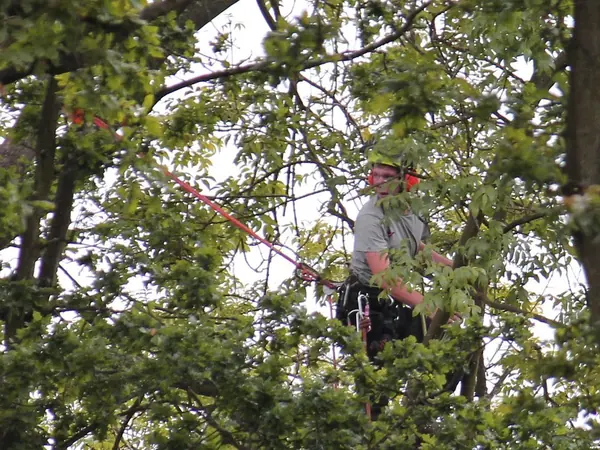
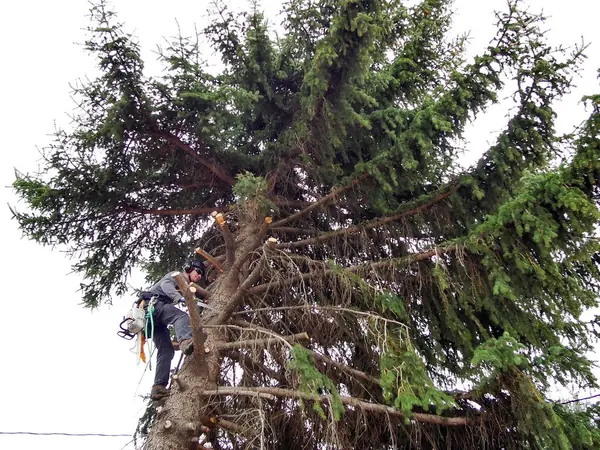
Representative photo. Check the retailer listing for the exact model, color and size.
Photo: coiling by michael pollak, CC BY 2.0
Throw weights, line and storage in one kit for setting lines in the canopy.
A throwball kit bundles throw weights, throw line and storage so you can set climbing and rigging lines high in the canopy without hunting for parts. It is the quickest way to get a complete, matched setup for line setting.
Setting a good tie-in point starts with a clean throw. A kit gives you weights and line that work together, plus a bag or cube that lets the line pay out without knots. For a new climber, or a crew replacing a tangled mess, it is the simplest way to get set up.
Check the listing for what comes in this kit: the weight of the throw bags or balls, the line length and diameter, and the storage. Lighter weights suit small branches and thin forks; heavier ones carry line higher and through dense canopy. See more throw line kits.
A kit also makes it easy to set up a second throw line for the crew truck, or to have a backup on hand when a line gets stuck in the canopy. Many climbers keep one kit with a lighter weight for small branches and a heavier one for tall trees.
Clear the drop zone before every throw. A throw weight coming back down can injure someone, and line can catch on deadwood or near power lines. Never throw near energized conductors.
Flake the line into its bag after each use, inspect it for cuts and glazing, and replace weights with torn covers or loose rings. Once the line is set, pull your climbing rope through and test the tie-in point before you load it.
Practice your throws on the ground to build accuracy.
| Type | Throw line kit |
|---|---|
| Includes | Throw weights, throw line and storage (check listing) |
| Use | Setting climbing and rigging lines |
Specs are from the manufacturer's published figures where available. Confirm against the product listing before you buy.
Many climbers carry two: a lighter one for small crotches and a heavier one for height. Check the listing for weights included.
No. Throw line is only for pulling a rope into place. Never climb or lower loads on it.
Pairs well with
Notch
Pole-mounted slingshot that puts a throw weight into high unions fast.
Gap Arborist Supply
Throw line, weights and storage in one kit for new climbers.
Gap Arborist Supply
A 12 oz throw weight with line, ready to set climbing and rigging lines.
Gap Arborist Supply
A 14 oz throw weight with line, ready to set climbing and rigging lines.
Gap Arborist Supply
A 16 oz throw weight with line, ready to set climbing and rigging lines.
Throwball Kit$95