ART
ART Ropeguide Twinline
A roller friction saver from ART that protects bark and rope at the tie-in.
Typical $200
 Friction Savers
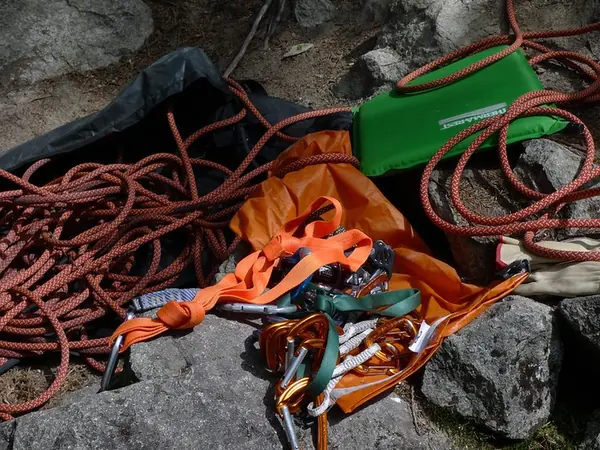
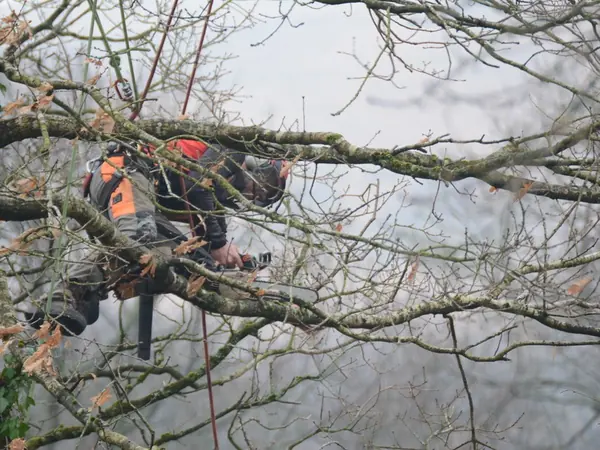
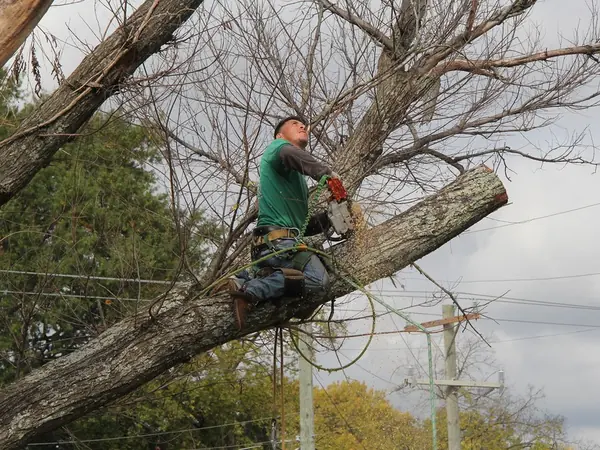
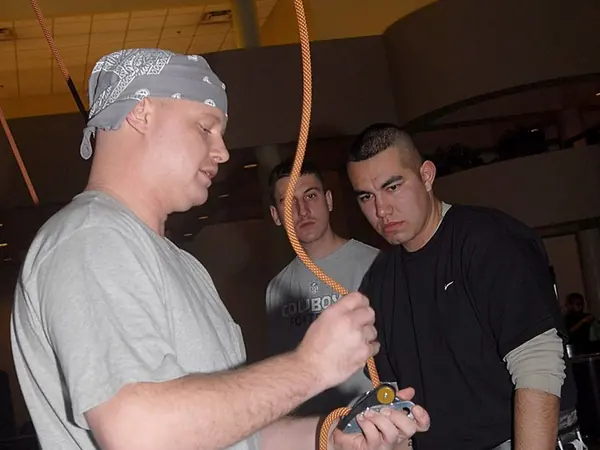
Representative photo. Check the retailer listing for the exact model, color and size.
Photo: 100127-F-9898L-026 by expertinfantry, CC BY 2.0
A Buckingham friction saver for protecting the tree and your climbing line at the tie-in.
The Buckingham TreeSqueeze is a friction saver from Buckingham, used at the tie-in point to protect the tree's bark and cut down wear on the climbing line. It gives a smoother, more predictable tie-in than running rope directly over a branch union.
Running a climbing line straight over a union generates heat, wears the rope, and damages the cambium. A friction saver puts a protective sleeve or connectors at the crotch so the rope runs on hardware instead of bark. The tree stays healthier and your rope lasts longer, and rope movement is smoother and easier to predict.
Set it high in a sound union with the rings or connectors positioned so they do not bind. Learn the retrieval method for your system on the ground before relying on it.
Friction savers also make it easier to repeat climbs in the same tree. Once the saver is set, the climber can come down, move ground gear and go back up on the same tie-in without fighting rope friction over bark. On trees with thin or sensitive bark, the protection it gives the cambium is worth the small extra time spent on setup.
A friction saver is part of your life-support system. Inspect the sleeve, rope or webbing and hardware before each climb and retire it at the first sign of cuts, heavy wear or heat damage. Compare other friction savers if you want an adjustable model.
Life-support gear must meet the applicable standard, be used per the manufacturer's instructions and ANSI Z133, be inspected before every climb, and be used only by trained climbers.
| Brand | Buckingham |
|---|---|
| Type | Friction saver |
| System | Moving rope (MRS/DdRT) tie-in |
Specs are from the manufacturer's published figures where available. Confirm against the product listing before you buy.
Many friction savers can be retrieved from the ground with the right setup. Follow Buckingham's instructions and practice low before using it aloft.
Not always, but it protects the tree and rope and is widely recommended for moving rope climbing.
Pairs well with
ART
A roller friction saver from ART that protects bark and rope at the tie-in.
CMI
A tough webbing anchor sling for setting tie-ins and anchors around stems and limbs.
Gap Arborist Supply
An adjustable rope friction saver that fits small leaders and big unions alike.
Gap Arborist Supply
A crane tie-in assembly with connectors for climbers working off a crane.
Gap Arborist Supply
A dedicated climber connection for crane-assisted tree work.
Buckingham
A Buckingham friction saver that protects the tree and your climbing line.
Buckingham TreeSqueeze Friction Saver$89