Petzl
Petzl GriGri Belay Device
Petzl's assisted-braking belay device for single ropes 8.5 to 11 mm.
Typical $109
 Ascent & Descent
Representative photo. Check the retailer listing for the exact model, color and size.
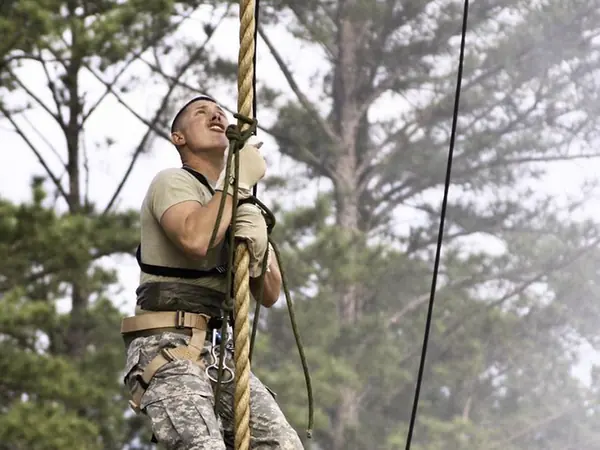
Photo: Prusik climb by Georgia National Guard, CC BY 2.0
Rope clamp and pulley in one unit for progress capture and hauling.
The CT Roll-N-Lock from Climbing Technology puts a toothed rope clamp and a pulley sheave in one compact body. Climbers use it for progress capture, short haul systems, and as a rope grab that runs smoothly when the line is pulled through.
The Roll-N-Lock pairs a cam with teeth and a small pulley wheel. Rope runs over the wheel one way with low friction, and the cam bites when the rope tries to run back. That makes it a self-contained progress-capture pulley, which is the heart of most simple haul systems.
On a tree job that might mean hauling a heavy saw or a bag of rigging up to a climber, building a quick mechanical advantage to tension a line, or keeping an aerial rescue setup simple. Some climbers also carry it as a backup rope grab for their SRS system. It saves carrying a separate pulley and ascender, which keeps the saddle lighter.
Read the manufacturer's instructions for this device and confirm the rope diameter and construction you climb on falls inside its approved range. A device that grips well on one rope can slip or bind on another, so test it low and slow on new rope before you trust it at height.
Inspect the cam teeth, springs, side plates, and attachment points before every climb, and keep the device free of sap and grit. Life-support gear must meet the applicable standard (ANSI Z133 and the manufacturer's instructions), be inspected before every climb, and be used only by trained climbers. Never improvise a configuration the maker does not show. Compare other options in ascent and descent gear.
| Type | Rope clamp with integrated pulley |
|---|---|
| Brand | Climbing Technology |
| Use | Progress capture, hauling |
Specs are from the manufacturer's published figures where available. Confirm against the product listing before you buy.
It is a rope clamp, so it can capture progress, but only use it in the configurations Climbing Technology approves for your rope and setup.
Yes. The pulley and clamp together make a light progress-capture point for hauling saws and rigging gear.
Pairs well with
Petzl
Petzl's assisted-braking belay device for single ropes 8.5 to 11 mm.
Petzl
GriGri with anti-panic lowering and a lead/top-rope mode selector.
Petzl
Simple aluminum figure 8 descender for rappelling and lowering.
Hitch Hiker
Hitch-based mechanical device for smooth MRS climbing.
Petzl
Petzl's mechanical prusik for MRS tree climbing.
Notch Equipment
An adjustable rope wrench for SRS climbers who want to dial friction to the rope.
CT Roll-N-Lock Rope Clamp and Pulley$89