Petzl
Petzl GriGri+ Belay Device
GriGri with anti-panic lowering and a lead/top-rope mode selector.
Typical $149
 Ascent & Descent
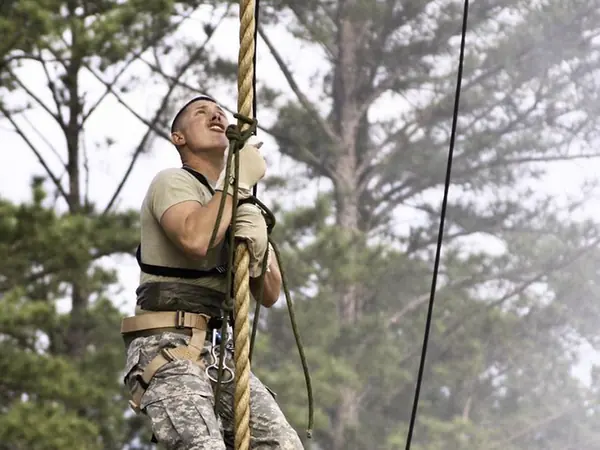
Representative photo. Check the retailer listing for the exact model, color and size.
Photo: 100127-F-9898L-026 by expertinfantry, CC BY 2.0
Petzl's assisted-braking belay device for single ropes 8.5 to 11 mm.
The Petzl GriGri is the best-known assisted-braking belay device, built to help a belayer catch and hold a fall on single ropes from 8.5 to 11 mm. It is compact, light, and simple, and it is the reference device many climbers learn on.
The GriGri belay device uses a cam that pinches the rope when it moves suddenly, as in a fall. The belayer still keeps a hand on the brake strand at all times, but the cam adds a backup if the belayer is distracted or hit by falling debris. To lower, the belayer pulls the handle while controlling speed with the brake hand.
The current Petzl GriGri covers ropes from 8.5 to 11 mm, so it fits the single ropes most climbers use in the gym and at the crag.
Its compact, light body makes it easy to carry on a harness, and the simple design is easy for new climbers to learn with qualified instruction.
The GriGri+ adds an anti-panic function that stops the descent if the belayer pulls the handle too hard, and a selector for top-rope or lead mode. Those features suit gyms, new belayers, and anyone who wants extra margin. The standard GriGri is lighter and simpler, and many experienced climbers prefer it for that.
Both share the same rope range and basic operation, so moving between them is easy.
Price is another difference. The standard GriGri usually costs less than the GriGri+, which matters if you are buying several devices for a gym or a training program.
If you are unsure which suits you, borrow both at the gym and try lowering a partner with each.
Tree climbers usually run 11 to 13 mm ropes and purpose-built devices for MRS and SRS. Rope diameter alone puts most arborist climbing lines outside the GriGri's range. Some crews use a GriGri in rescue or work-positioning setups with compatible rope, but that is outside its primary design.
The GriGri is designed and certified as a belay device for rock and gym climbing. If you plan to use it in a tree-work system, make sure the configuration is covered by Petzl's instructions, that it meets ANSI Z133 requirements for life support, and that you are trained in it. Inspect it before every use.
If your crew already climbs on smaller-diameter rope for rescue or rope access work, check that every part of your system, including the rope, carabiners, and anchors, is compatible and rated for the job.
Keep sand and grit out of the cam and rope channel, and rinse with clean water if it gets dirty. Check the cam moves freely and springs back, look for wear grooves where the rope runs, and retire the device if parts are cracked or deformed. Follow Petzl's inspection guidance and record checks for crew gear.
Keep the device away from solvents and chemicals that can damage the plastic side plate. Store it dry, away from heat. If it has been dropped from height or caught a severe fall, inspect it carefully and retire it if in any doubt.
| Rope compatibility | 8.5 to 11 mm single rope |
|---|---|
| Weight | about 175 g |
| Function | Assisted-braking belay device |
| Lowering | Handle-controlled |
| Use | Lead and top-rope belaying |
Specs are from the manufacturer's published figures where available. Confirm against the product listing before you buy.
Single ropes from 8.5 to 11 mm.
No. The belayer must always hold the brake strand. The cam is a backup, not a substitute.
Most arborist climbing ropes are thicker than its range, and it is designed as a belay device. Use devices designed and approved for tree climbing systems.
Pairs well with
Petzl
GriGri with anti-panic lowering and a lead/top-rope mode selector.
Petzl
Simple aluminum figure 8 descender for rappelling and lowering.
Hitch Hiker
Hitch-based mechanical device for smooth MRS climbing.
Petzl
Petzl's mechanical prusik for MRS tree climbing.
Notch Equipment
An adjustable rope wrench for SRS climbers who want to dial friction to the rope.
Kong
A pocket-size Kong rope clamp for emergency ascending, hauling and rescue backup.
Petzl GriGri Belay Device$109