Husqvarna
Husqvarna 562XP Mark II Chainsaw
Pro 60 cc-class saw for felling, bucking, and storm work.
Typical $999
 Chainsaws
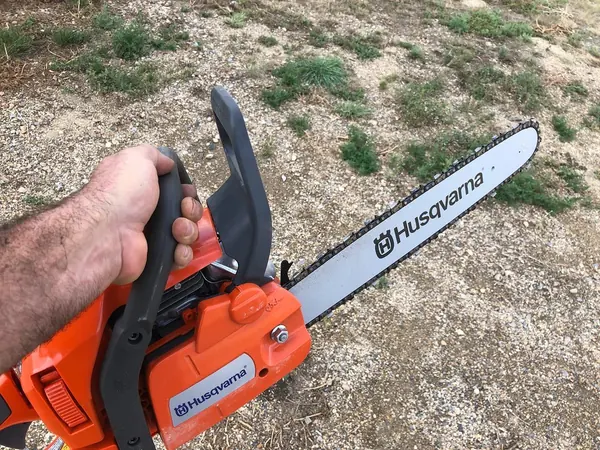
Representative photo. Check the retailer listing for the exact model, color and size.
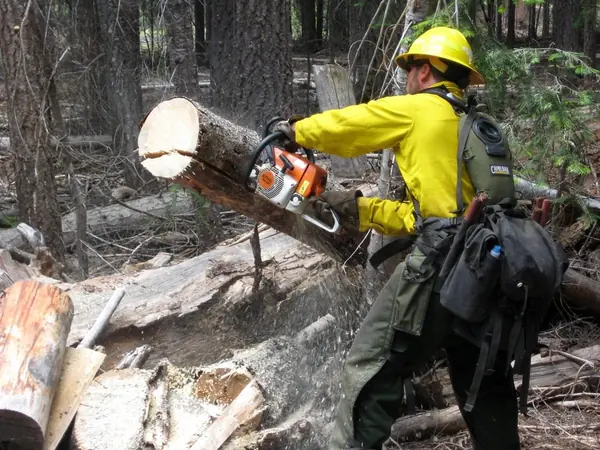
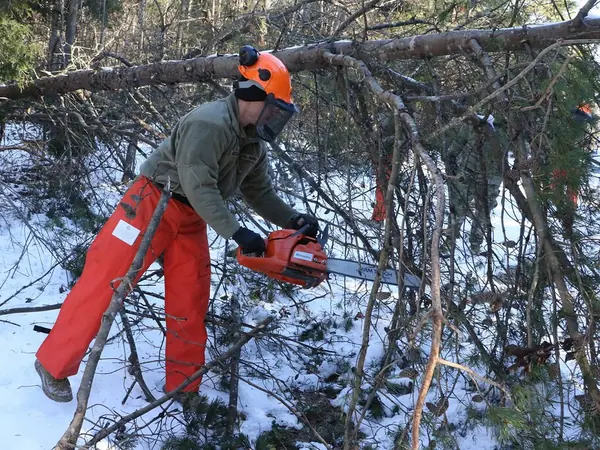
Photo: 1974. Colville field crew checking tussock moth populations. Douglas-fir tussock moth control project. Grand Coulee Dam Headquarters, Colville Reservation, Washington. by USDA Forest Service, Public domain
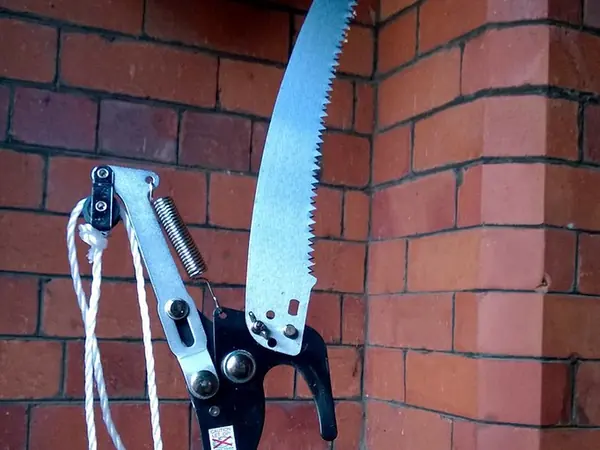
A gas pole saw on a dielectric shaft for long-reach limb removal.
The Husqvarna MadSaw is a gas-powered dielectric pole saw that puts a cutting head on an insulated fiberglass shaft for reaching limbs from the ground or a bucket. It is aimed at crews doing high pruning and clearance work who need reach without carrying a saw up the tree.
A pole saw lets you take deadwood, clear limbs over roofs and roads, and reduce branch ends without tying in. A gas-powered head on a long dielectric shaft gives you real cutting power at reach, and the fiberglass shaft adds insulation compared with a metal pole. It is a common tool for right-of-way and clearance work from the ground or an aerial lift.
Plan cuts so limbs fall clear of you, the shaft, and anything below. Long cuts at reach are tiring, so take smaller pieces and let gravity work.
Keep the head clean and the chain sharp so you are not forcing cuts at the end of a long pole. Watch for limbs that can swing back toward the shaft or roll off a wire, and keep a spotter on the ground when working near traffic or people.
A dielectric shaft is not a license to work near power lines. Only qualified line-clearance arborists may work within the minimum approach distances set by OSHA and ANSI Z133, and a dielectric tool must be kept clean, dry, and tested on schedule to keep its rating. Dirt, sap, and moisture on the shaft can conduct.
Wear a helmet, eye and hearing protection, and gloves, and follow Husqvarna's manual and your employer's procedures. More saws are in chainsaws.
| Power source | Gas engine |
|---|---|
| Shaft | Dielectric fiberglass |
| Type | Pole saw |
Specs are from the manufacturer's published figures where available. Confirm against the product listing before you buy.
No. It reduces risk only when clean, dry, tested, and used by qualified line-clearance workers who keep the required approach distances.
Gas gives long runtime and power far from a charger. Battery is quieter and lighter for occasional use.
Pairs well with
Husqvarna
Pro 60 cc-class saw for felling, bucking, and storm work.
Husqvarna
Husqvarna's biggest saw, for giant trunks, big stump work and chainsaw milling.
Husqvarna
The classic 70 cc pro saw for removals, bucking and storm cleanup.
Husqvarna
A 90 cc class saw for big removals, large hardwood and storm work.
Husqvarna
A 50 cc all-round saw for firewood, storm cleanup and property work.
Husqvarna
Telescoping gas pole saw for pruning and clearance work from the ground.
Husqvarna
A light, fast 50 cc pro saw for limbing, bucking and small removals.
Husqvarna
Husqvarna's modern 70 cc pro saw for removals, bucking and storm cleanup.
Husqvarna MadSaw Gas-Powered Dielectric Pole Saw$1,500